WEDDING GUIDE
Should You DIY Your Wedding? Honest Pros, Cons, and a Reality Check
The unfiltered truth about what you can realistically make yourself — and what you absolutely should not attempt.
DIY wedding content on the internet falls into two categories: impossibly perfect Pinterest projects that make everything look easy, and horror stories about melted fondant and collapsed arches. The reality lives somewhere in between. Some DIY elements genuinely save money and add personal charm. Others waste time, create stress, and produce results that look noticeably amateur next to professional work. Here’s how to tell the difference.
THE HONEST MATH
When DIY Actually Saves Money — and When It Doesn’t
The DIY savings equation has three variables that people consistently miscalculate: material costs, time investment, and the cost of mistakes. A “simple” DIY project that saves 5 million VND in vendor fees but requires 40 hours of work and 2 million in materials produces a real savings of only 3 million — at a labor rate of about 75K per hour.
Materials are the hidden trap. When you buy craft supplies in small quantities, you pay retail markup. When you inevitably make mistakes and need to rebuy, costs compound. Professional vendors buy in bulk at wholesale prices, and their per-unit costs are often lower than your retail DIY costs. The projects where DIY genuinely saves money are those requiring minimal materials and maximal creativity.
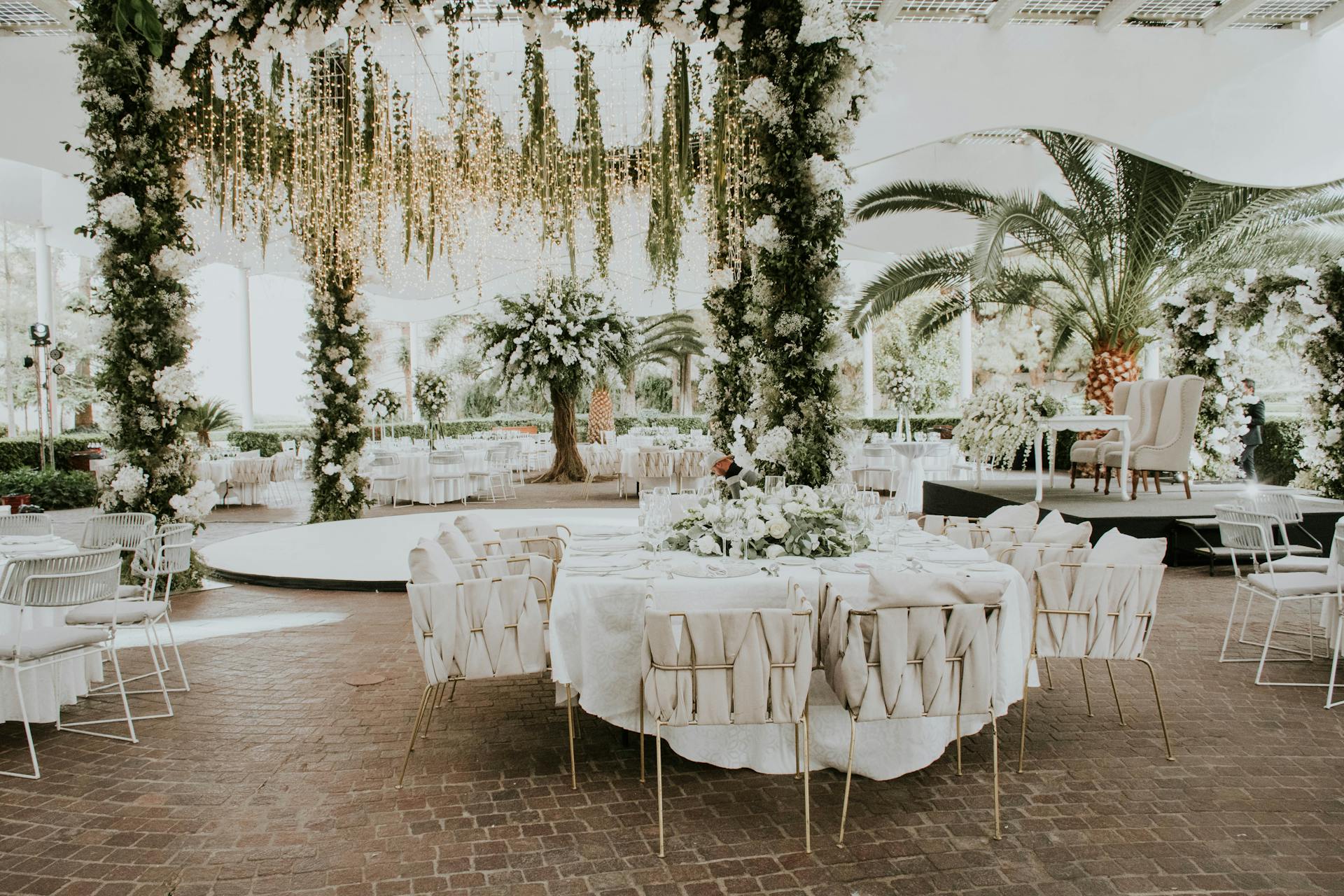
Before starting any DIY project, calculate total cost including materials, tools, and your time at a reasonable hourly rate.
Projects that genuinely save money: Welcome signs, table numbers, favor packaging, digital invitations, playlist curation, ceremony readings. Projects that rarely save money after materials and time: Flower arrangements, custom stationery printing, cake decoration, fabric draping, anything requiring specialized tools you’ll use once.
THE GOOD DIY For broader inspiration, see Harper’s Bazaar wedding.
Projects Worth Doing Yourself
The best DIY wedding projects share three qualities: they’re personal (your handwriting, your photos, your words), they’re forgiving (small imperfections add charm rather than looking like mistakes), and they can be completed well in advance (no last-minute pressure).

The best DIY elements are the ones where handmade quality is an advantage, not a compromise.
Ceremony elements: Writing your own vows is the ultimate DIY — it costs nothing, can’t be bought, and creates the most memorable moment of your wedding. Personal readings selected and practiced by close friends and family. A curated playlist that tells your story through music.
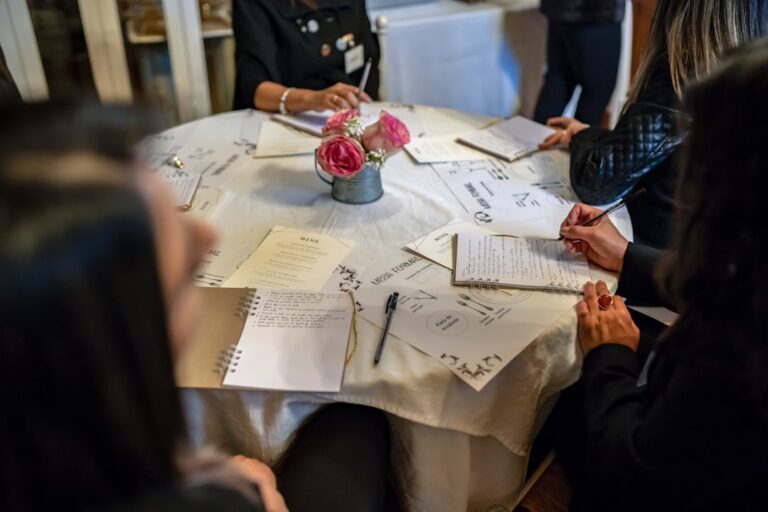
Paper goods: Welcome signs hand-lettered on boards or mirrors. Place cards with handwritten names (your handwriting is part of the charm). A printed program designed in Canva. Menu cards. A framed seating chart. These are high-visibility, low-risk items where personal touch matters more than perfection. Guest experience: Favor bags assembled with a personal note. A photo display of your relationship timeline. A guest book with prompts you wrote.
THE BAD DIY
Projects That Will Ruin Your Week — or Your Wedding
Some wedding elements require skills that take years to develop. Attempting them as a first-timer under deadline pressure is a recipe for frustration, wasted money, and visible amateur results. Here’s the list:
Florals: This is the number one DIY disaster category. Fresh flowers need to be arranged within hours of the event, require specific conditioning techniques, and wilt unpredictably in Saigon’s heat. What takes a professional florist 2 hours takes an amateur 8 hours — and produces noticeably different results. The bride who spent her wedding morning panic-arranging wilting roses instead of getting ready is not an urban legend; it happens constantly.

Some elements — like fresh florals in tropical heat — require professional skills that can’t be learned from YouTube tutorials.
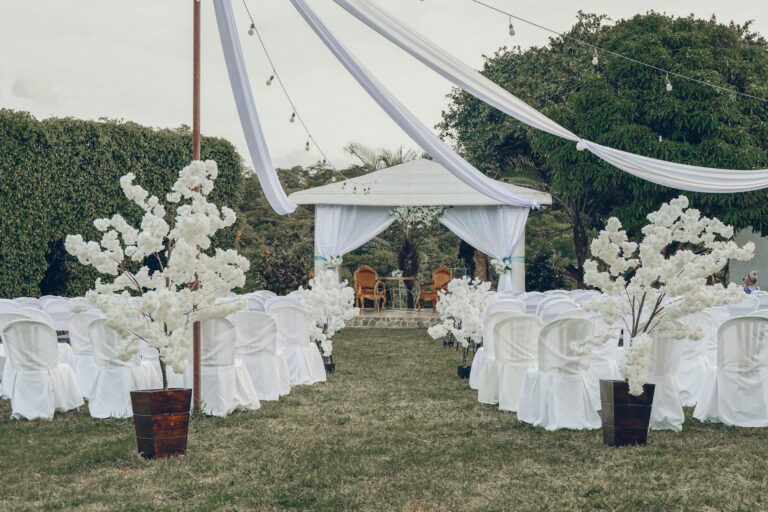
Cake decorating: Fondant work, sugar flowers, and multi-tier assembly are professional skills. A homemade cake at a backyard party is charming. A homemade cake at a formal reception looks out of place. Fabric draping and structural décor: Ceiling draping, backdrop construction, and arch building require engineering knowledge, proper hardware, and experience with load-bearing structures. A collapsed arch during the ceremony is every planner’s nightmare scenario.
Hair and makeup: Even if you’re skilled at daily makeup, wedding makeup is a different discipline — it needs to last 12+ hours, photograph well under various lighting, and survive tears. This is not the day to experiment.
THE SMART APPROACH
The Hybrid Model: DIY Some, Hire the Rest
The smartest approach isn’t all-DIY or all-professional — it’s a deliberate mix. DIY the elements where personal touch adds value and imperfection is charming. Hire professionals for elements where expertise is visible, timing is critical, or the stakes of failure are high.
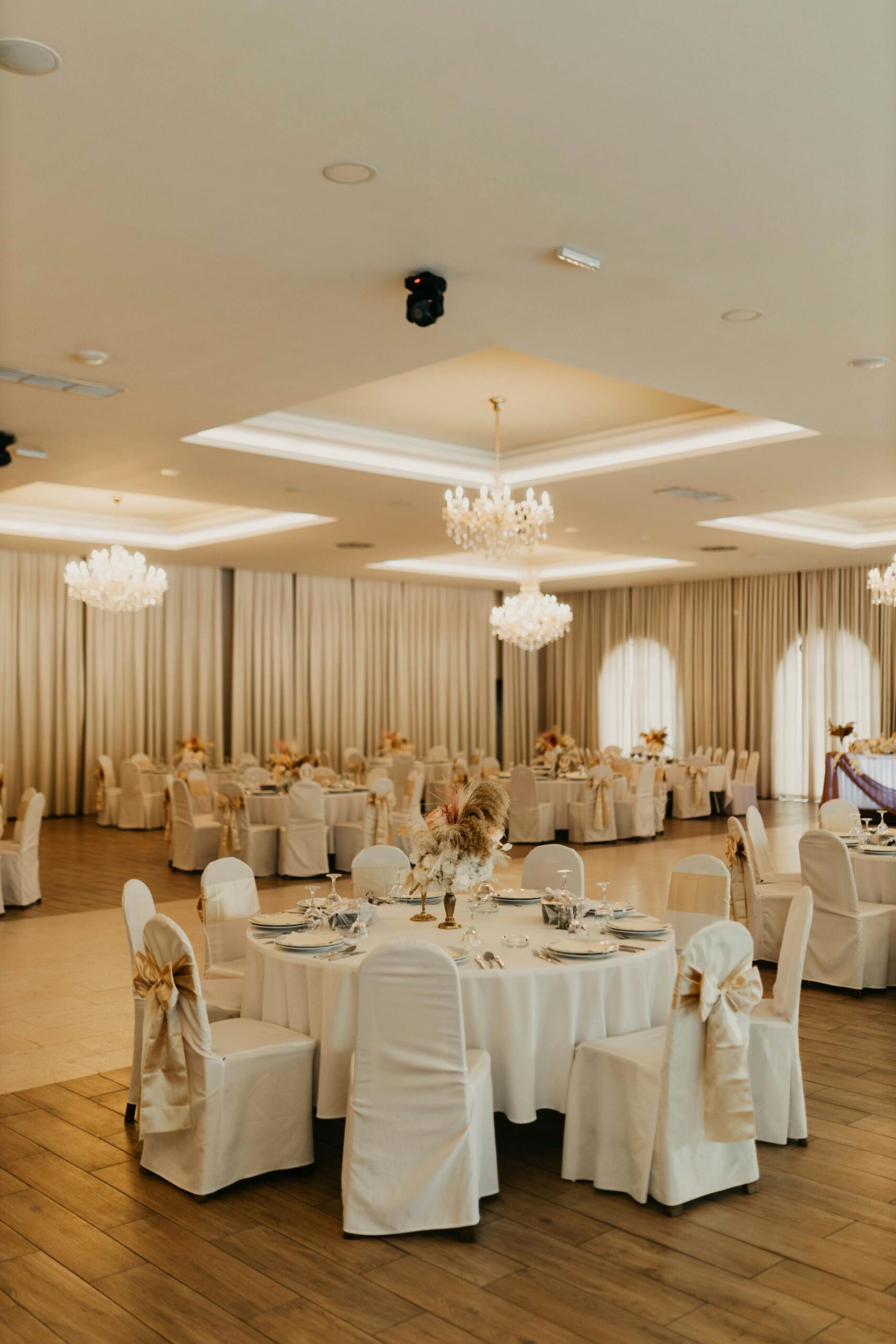
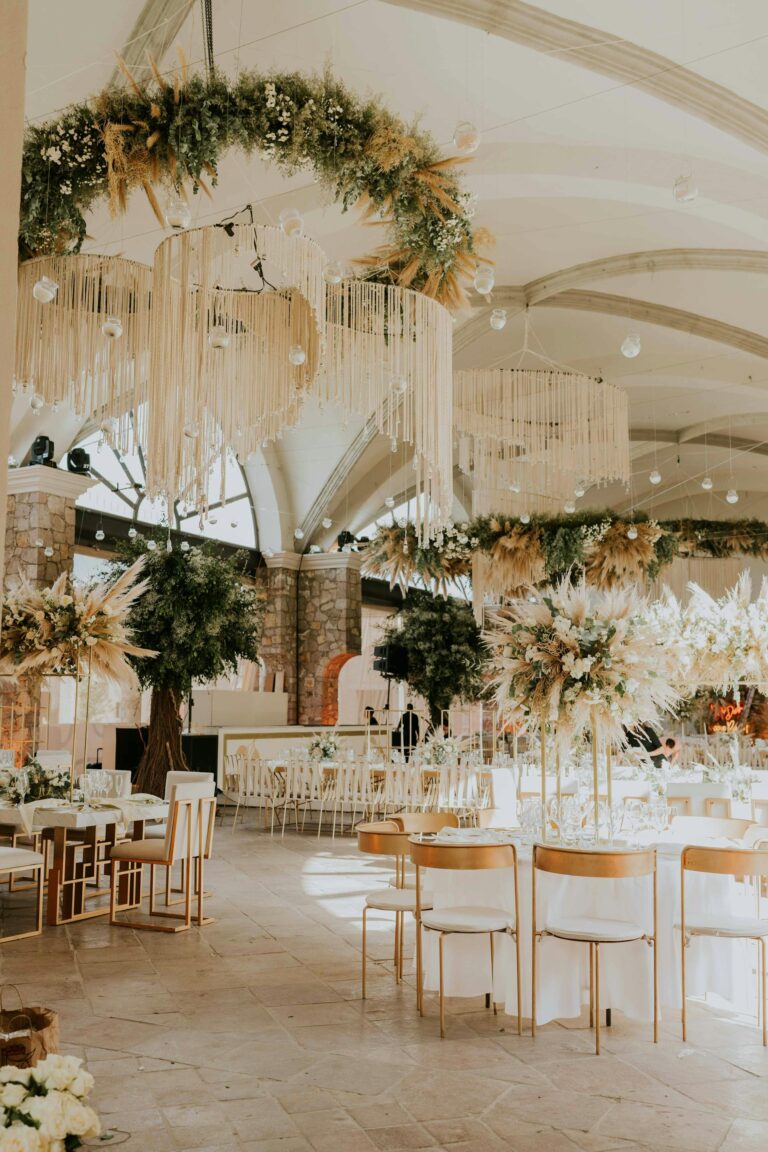
The hybrid approach: professional vendors handle the high-stakes elements while personal DIY touches add character.
A practical framework for deciding: Can this be done a week in advance? If yes, it’s a good DIY candidate — you have time to redo it if the first attempt fails. If it must be done day-of, hire a professional. Will imperfection look charming or amateur? Handwritten place cards with slightly uneven lettering look personal. Asymmetrical flower arrangements look like you didn’t know what you were doing. What happens if it fails? A DIY welcome sign that doesn’t turn out can be replaced with a printed one overnight. A DIY wedding cake that collapses has no backup.
One more filter: Will you enjoy the process? DIY wedding projects are supposed to be part of the fun — creative bonding time for the couple or a craft night with friends. If a project feels like homework, it’s not worth doing yourself regardless of the savings.
THE TIMELINE
When to Start DIY Projects: A Realistic Schedule
The biggest mistake DIY brides make is underestimating how long things take. Here’s a realistic timeline:
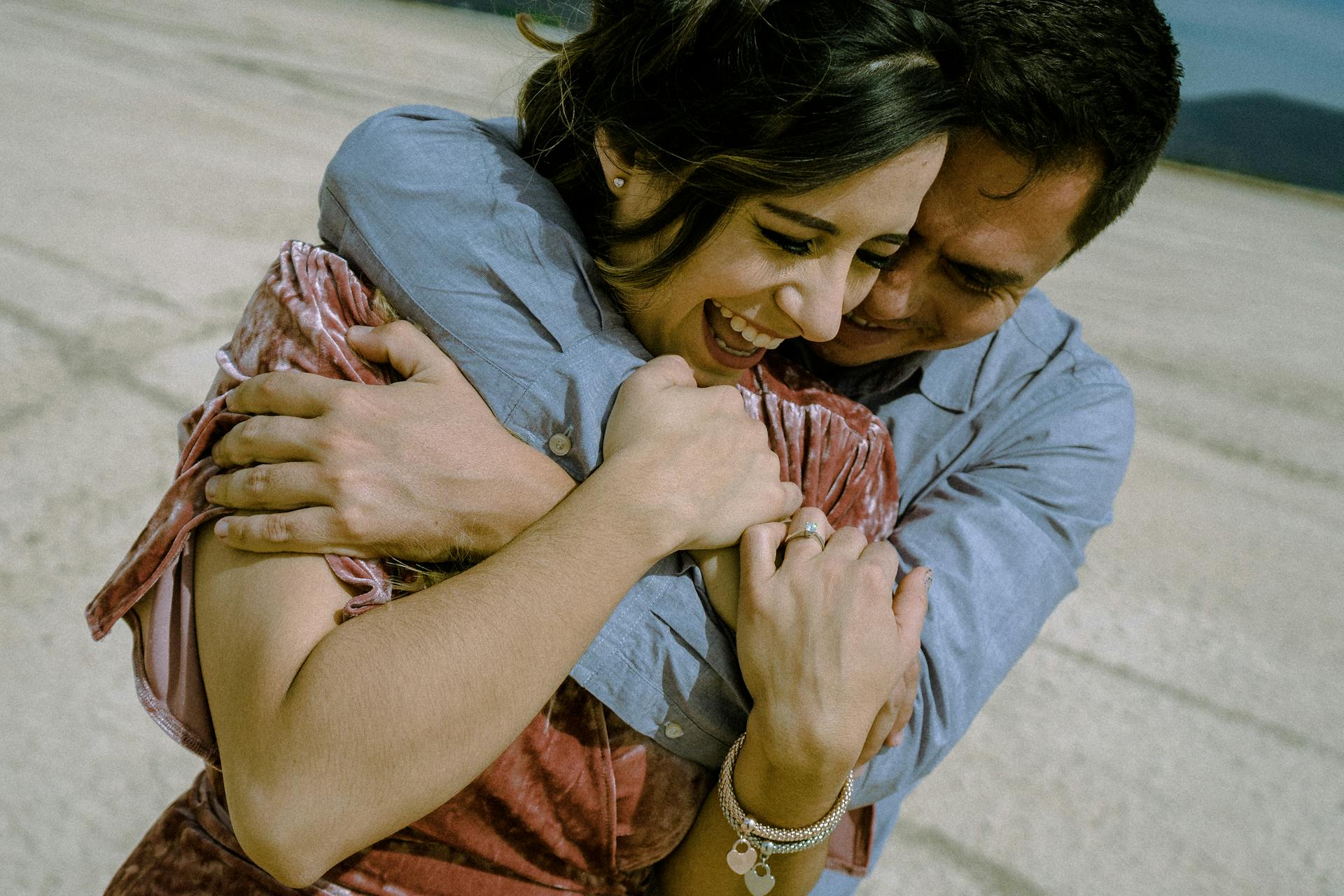
Couples who plan their DIY timeline realistically enjoy both the process and the results.
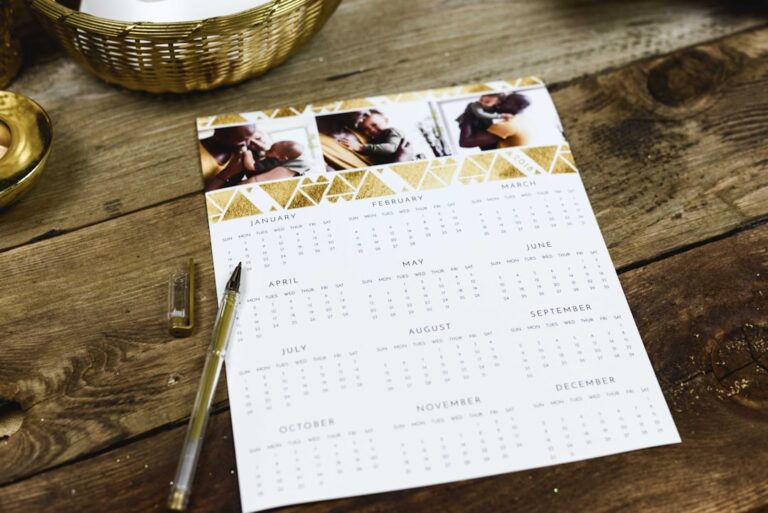
3-4 months before: Start design-heavy projects — welcome signs, seating charts, printed programs. Do a test run of each project to gauge time and materials. 2-3 months before: Assemble favor bags, create table numbers, prepare ceremony readings. Order any remaining materials. 1 month before: Finalize everything that can be finished early. Nothing new should be started from this point — only finishing touches. Wedding week: Only assemble pre-made elements. No crafting, no creating, no “one more thing.”
The golden rule: every DIY project should be 100% complete one week before the wedding. If it isn’t done by then, let it go. No project is worth the stress of last-minute crafting when you should be resting, spending time with family, and savoring the anticipation of your wedding day.
EXPLORE MORE
Self-Planned Wedding Story · 100M VND Budget · Common Mistakes
RELATED ARTICLES
More practical guidance for your planning journey
THE WHITE PLANNER
Your Story. Our Stage.
Planning a wedding in Vietnam is a journey of culture, creativity, and celebration. The White Planner brings clarity, beauty, and calm to every step — so all you need to do is show up and say yes.