WEDDING GUIDE
Wedding Music Guide: How to Create the Perfect Playlist for Every Moment
From the processional to the last dance — a practical guide to music that shapes emotion, not just fills silence.
Music is the invisible architecture of your wedding day. The right song at the right moment can make an entire room hold its breath. The wrong song — or worse, no music at all during a transition — creates an awkward vacuum that guests feel instinctively. This guide walks through every musical moment of a wedding, from pre-ceremony ambiance to the final song of the night, with practical advice on building playlists that work.
THE CEREMONY
Music That Sets the Emotional Foundation
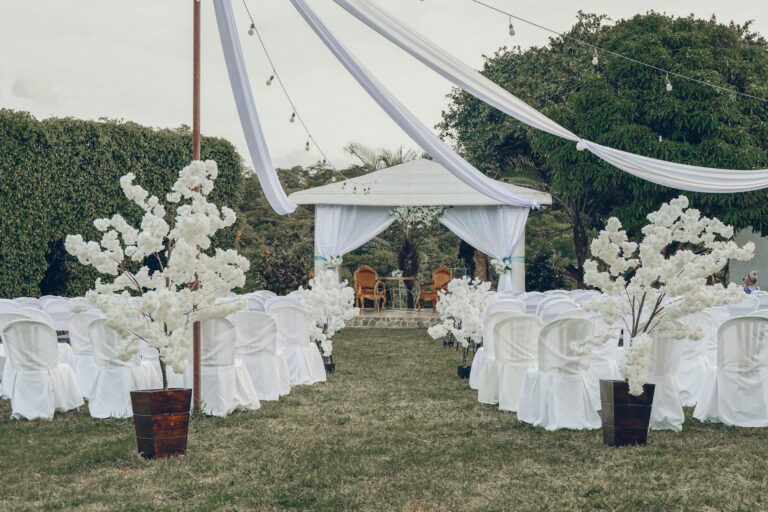
The ceremony has four distinct musical moments, each with a different emotional purpose. Pre-ceremony (15-20 minutes before start): soft, ambient music that tells arriving guests “something beautiful is about to happen.” Acoustic instrumentals, gentle piano, or classical strings work universally. Keep the volume low — it should be felt more than heard.
Processional: the music that plays as the wedding party walks in. This moment builds anticipation. Choose something that reflects the ceremony’s tone — it doesn’t have to be traditional. A meaningful song performed acoustically can be more powerful than a standard wedding march. Bride’s entrance: the emotional peak. Whatever you choose, it should give you chills when you hear it. Recessional: pure joy. The couple walks out together, and the music should make everyone smile. Upbeat, celebratory, and personal.

The four ceremony music moments each serve a different emotional purpose — ambient, anticipation, peak emotion, and celebration.
For Vietnamese weddings with a tea ceremony component, consider traditional Vietnamese instrumental music or modern Vietnamese ballads that bridge cultural formality with personal meaning. The transition from tea ceremony music to reception music should feel like a natural shift in energy, not an abrupt genre change.
THE RECEPTION For broader inspiration, see Brides.com wedding inspiration.
Building an Arc From Cocktails to Dance Floor
Think of your reception music as a story with three acts: Act 1 (Cocktails + Dinner, 2-3 hours): background music that enhances conversation without competing with it. Jazz, acoustic covers, bossa nova, or lo-fi — anything with a steady, unobtrusive rhythm. Volume should allow normal conversation at table distance.
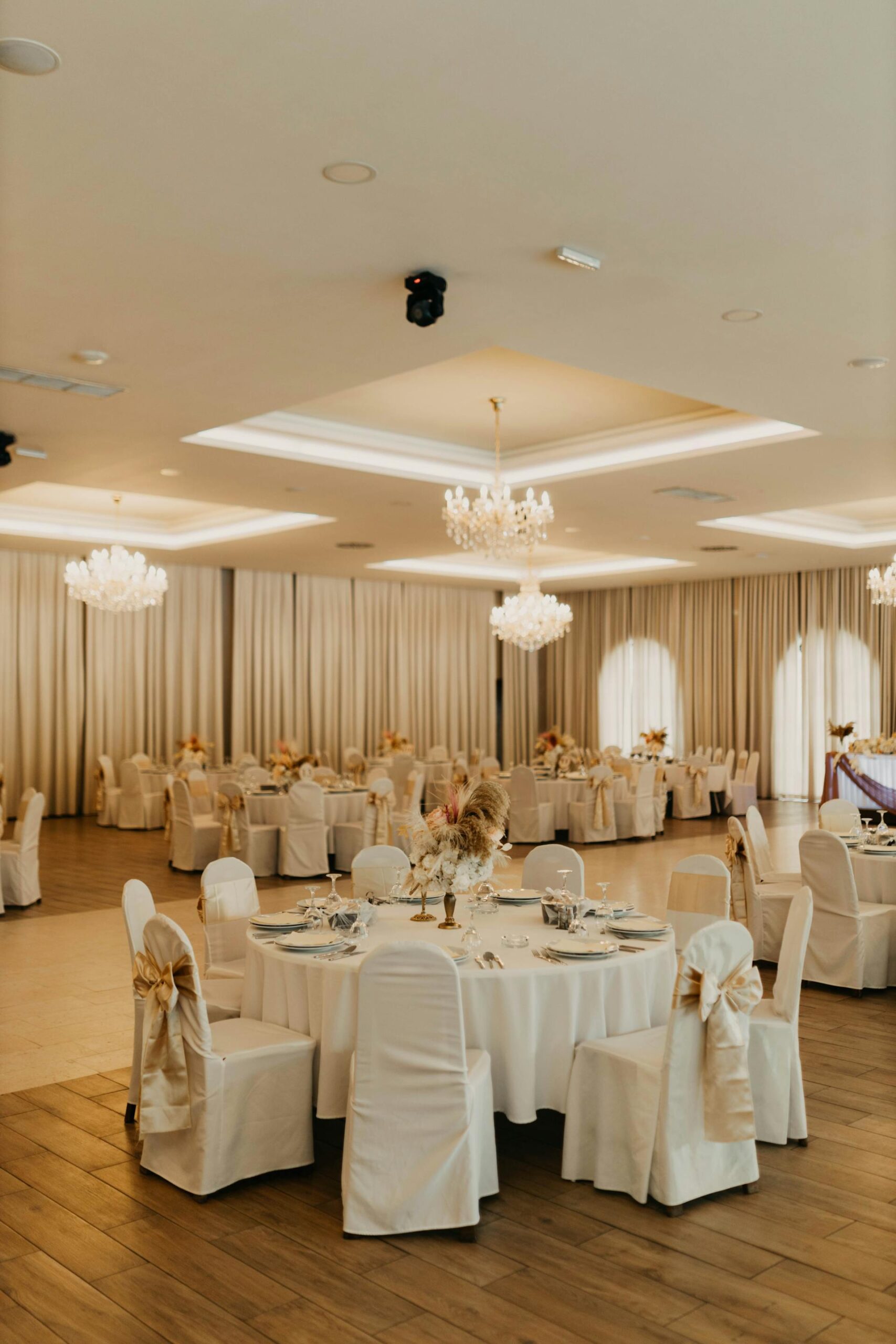
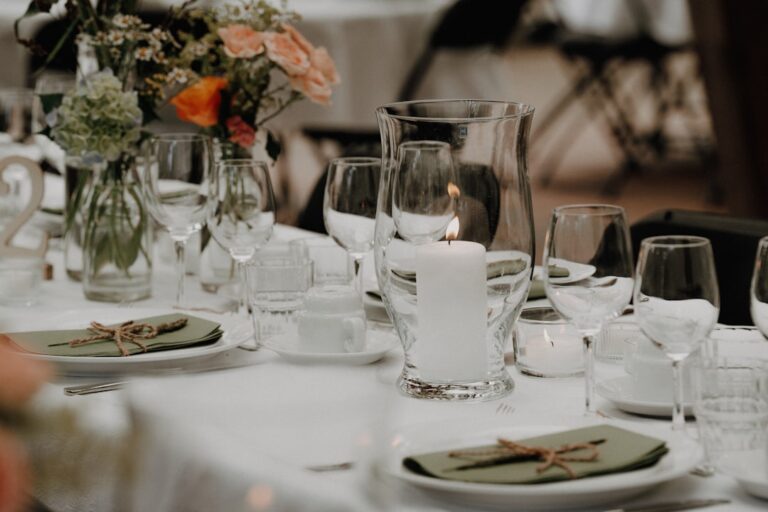
During dinner, music is the background texture — present enough to prevent awkward silence, soft enough for real conversation.
Act 2 (Toasts + Special Moments, 30-45 min): Music pauses for speeches and toasts, then resumes with songs that match the emotional moments — first dance, parent dances, cake cutting. These are your “everyone watches” songs, so choose carefully. Act 3 (Dance Floor, 1.5-3 hours): Energy builds progressively. Start with crowd-pleasers that get couples onto the floor, escalate to high-energy hits, then close with a slow, meaningful final song that brings everyone together.
The biggest mistake couples make: starting the dance floor too early with too much energy. If you blast high-energy music while people are still eating dessert, the dance floor will be empty and it’s psychologically harder to fill later. Let the energy build naturally — cocktail jazz → dinner acoustic → first dance → gentle crowd-pleasers → full dance party.
THE DECISION
Live Band vs. DJ vs. Playlist: Which Is Right for You?
Live band (15-40M VND): Nothing matches the energy of live music when it’s good. A skilled wedding band reads the room and adjusts in real-time. The downsides: they need breaks (usually 15-20 minutes per hour), they have a limited repertoire, and a bad live band is dramatically worse than a good playlist. Always see them perform live before booking — studio recordings mean nothing.

The choice between live music, DJ, and playlist isn’t about budget alone — it’s about what kind of energy matches your celebration.
DJ (8-20M VND): The most versatile option. A good wedding DJ has unlimited repertoire, can read and respond to the room, handles all sound system management, and provides seamless transitions. The key is finding a DJ who specializes in weddings (not club DJs) and who understands that your wedding isn’t their performance.
Curated playlist (0-3M VND): The budget option that works better than people expect — if done right. You need: a quality speaker system (rent for 2-3M), a 6-8 hour playlist organized by moment, someone designated to handle transitions and volume, and a backup device. The limitation is that playlists can’t read the room. If the dance floor is dead, there’s no one to pivot to a different genre.
THE PLAYLIST
How to Build a Wedding Playlist That Actually Works
If you’re going the playlist route, here’s the practical framework:
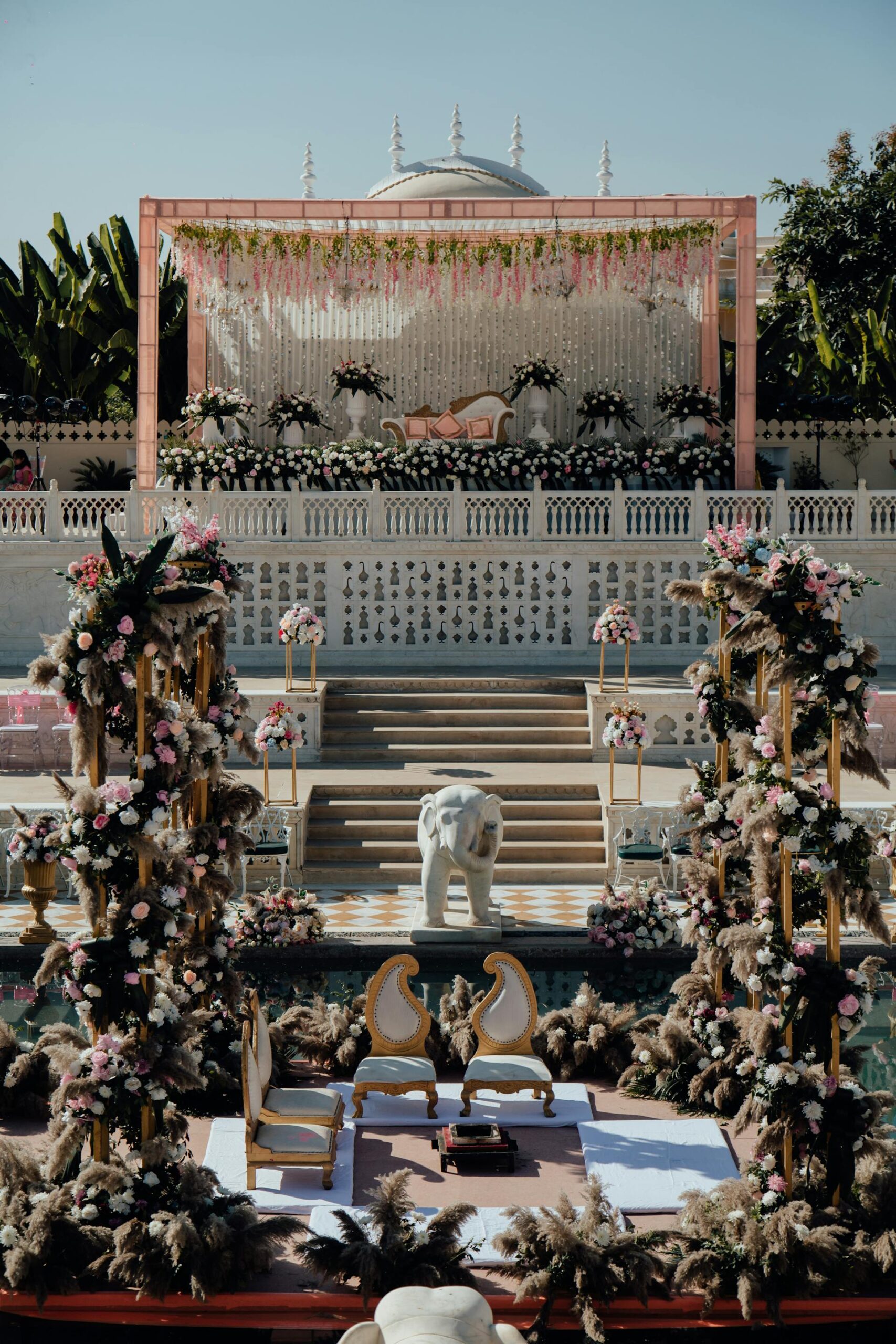
A well-structured playlist follows the emotional arc of the evening — building from ambient to celebratory over several hours.
Step 1: Map your moments. List every transition point in your timeline and note the mood: arrival (calm, welcoming), ceremony (emotional, meaningful), cocktails (social, upbeat-soft), dinner (conversational, warm), first dance (romantic), party (energetic, fun), last dance (nostalgic, meaningful). Step 2: Choose 3-5 songs per moment. Over-prepare rather than under-prepare. For dinner alone, you need 2-3 hours of music — that’s roughly 40-50 songs.
Step 3: Test transitions. Play your playlist start-to-finish at least once before the wedding. Listen for jarring genre shifts, songs that feel out of place, and energy drops. Rearrange as needed. Step 4: Create a “do not play” list. Every couple has songs they hate or songs with bad associations. Tell your DJ or playlist manager explicitly. Step 5: Build a guest request system. If you want guest input, set up a shared playlist link on your wedding website where guests can suggest songs in advance. This is better than live requests, which can derail your carefully planned arc.
THE DETAILS
Sound System, Volume, and Technical Details That Matter
Technical audio details are unsexy but they make or break the musical experience. A beautiful song played through a tinny speaker system loses all its emotional power. Here’s what to check:

Great music on bad speakers is worse than good speakers with an average playlist — invest in the hardware.
Speaker placement: For ceremony, speakers should be positioned to project toward guests, not pointed at the couple. For reception, main speakers flanking the dance floor with smaller satellite speakers for the dining area. Volume management: The single most common audio complaint at weddings is volume — too loud during dinner (can’t talk), too quiet during dancing (no energy). Assign someone to manage volume levels throughout the night, adjusting for each phase.
Microphone setup: At minimum, you need one wireless mic for toasts and speeches, and one for the MC. Test both before guests arrive — feedback squeals during the father-of-the-bride speech are preventable with 5 minutes of sound check. Backup plan: Whatever your primary music source, have a backup. Phone dies? Laptop crashes? Band member gets sick? A cached offline playlist on a second device takes 30 minutes to prepare and can save your evening.
EXPLORE MORE
RELATED ARTICLES
More guides for your reception experience
THE WHITE PLANNER
Your Story. Our Stage.
Planning a wedding in Vietnam is a journey of culture, creativity, and celebration. The White Planner brings clarity, beauty, and calm to every step — so all you need to do is show up and say yes.