PLANNING & TIMELINE
The 12-Month Wedding Planning Timeline
A month-by-month roadmap from engagement to your wedding day — so nothing gets missed and nothing feels rushed.
Twelve months sounds like plenty of time — until you realize how quickly weekends fill up with tastings, fittings, and vendor meetings. This timeline breaks your planning journey into manageable monthly milestones, tailored to weddings in Vietnam where peak season, cultural ceremonies, and vendor availability all shape the calendar.
MONTHS 12–10
Just Engaged: Setting the Foundation
The first three months after your engagement are about big-picture decisions. Resist the urge to dive into Pinterest boards for centerpiece ideas — the strategic choices you make now will save you months of stress later.
Set your budget. Before you fall in love with a venue or a dress, know your number. Talk honestly with both families about who is contributing what. In Vietnamese weddings, both families traditionally share costs, but the split varies widely — get clarity early.
Choose your date and guest count range. These two decisions unlock everything else. Peak season in HCMC runs October through March — venues and top vendors book out 9+ months ahead during this window. If flexibility is possible, weekday or off-peak dates open up premium options at lower rates.
Book your venue. This is the single most time-sensitive decision. Once you have a venue, you have a date, a guest capacity, and a starting point for every other vendor conversation.
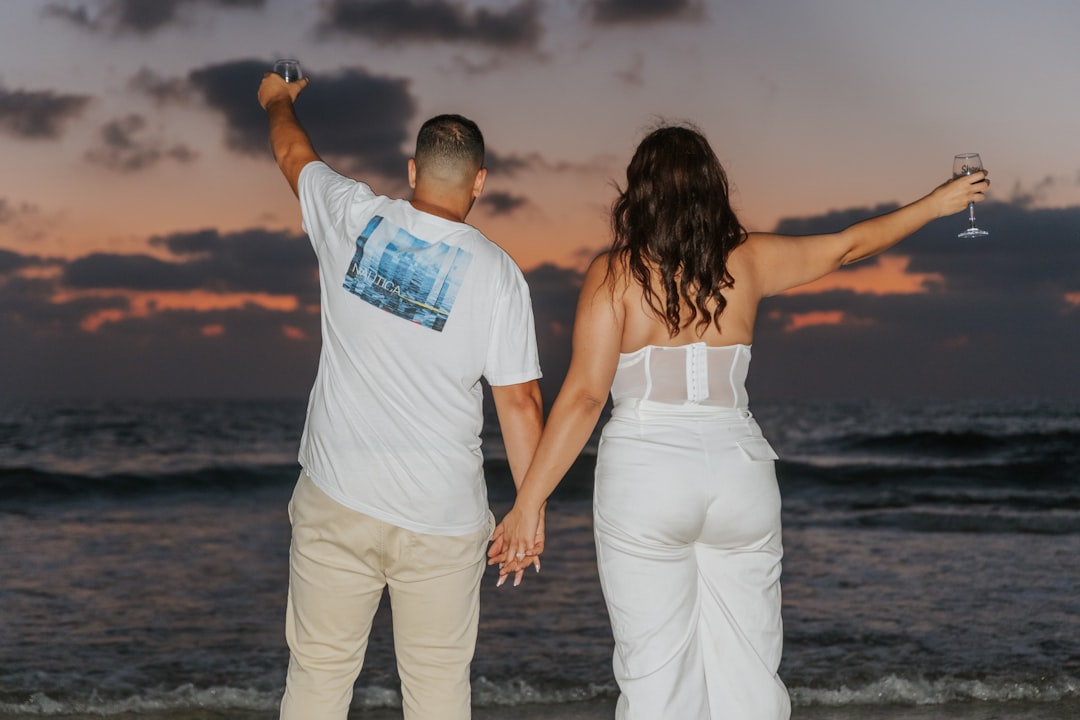
The engagement glow is real — channel that energy into the decisions that matter most
MONTHS 9–7 For broader inspiration, see Brides.com wedding inspiration.
Building Your Vendor Team
With your venue locked, it is time to assemble the team that will bring your vision to life. This is the phase where you will have the most vendor meetings — expect to spend several weekends on consultations and tastings.
Book your decorator and planner. Your décor team needs the most lead time for concept development, material sourcing, and custom fabrication. If you are working with a full-service planner like The White Planner, they can coordinate the rest of your vendor bookings and save you significant time.
Book photography and videography. Top shooters fill their calendars fast. Schedule engagement shoots during this phase too — they double as practice for being in front of the camera and produce content you can use for your wedding website or invitations.
Start dress shopping. Custom gowns in Vietnam typically need 3–4 months for creation and fittings. Off-the-rack options are faster, but alterations still take 4–6 weeks.
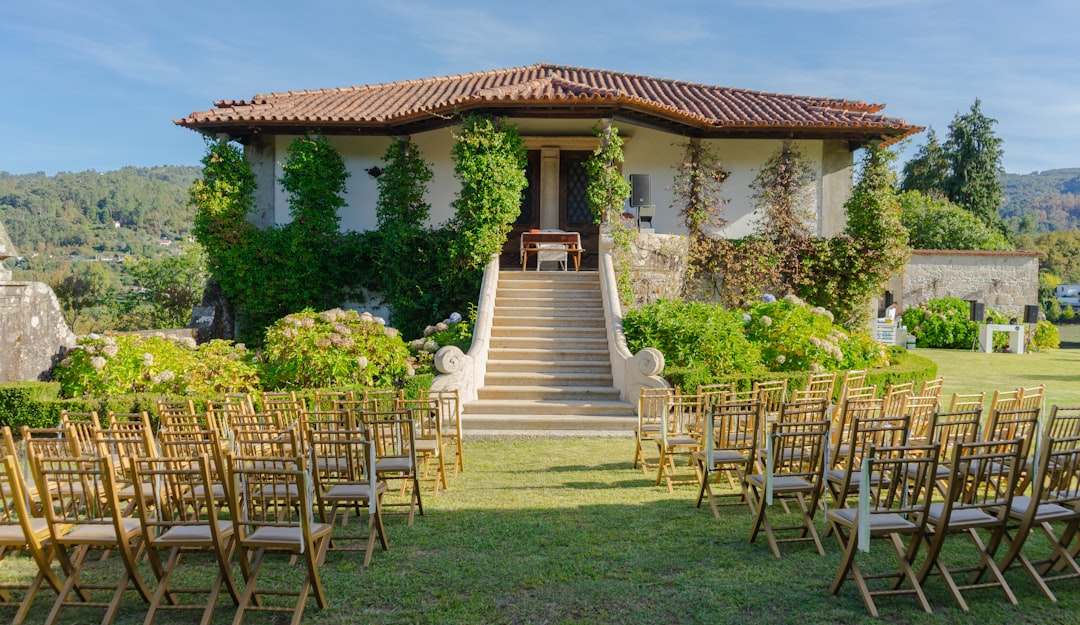
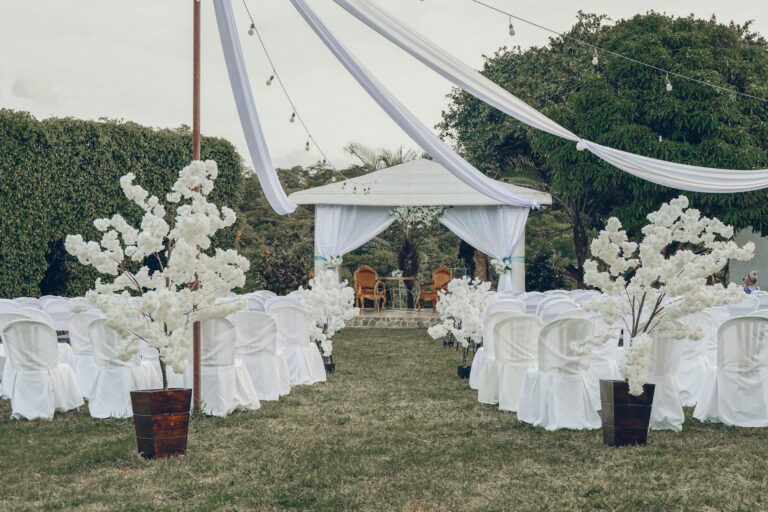
Venue visits are where your wedding starts to feel real — trust your instincts
MONTHS 6–4
Locking In the Details
The middle phase is where your wedding transforms from a concept into a plan. Big decisions are done — now it is about refining the details that make your celebration uniquely yours.
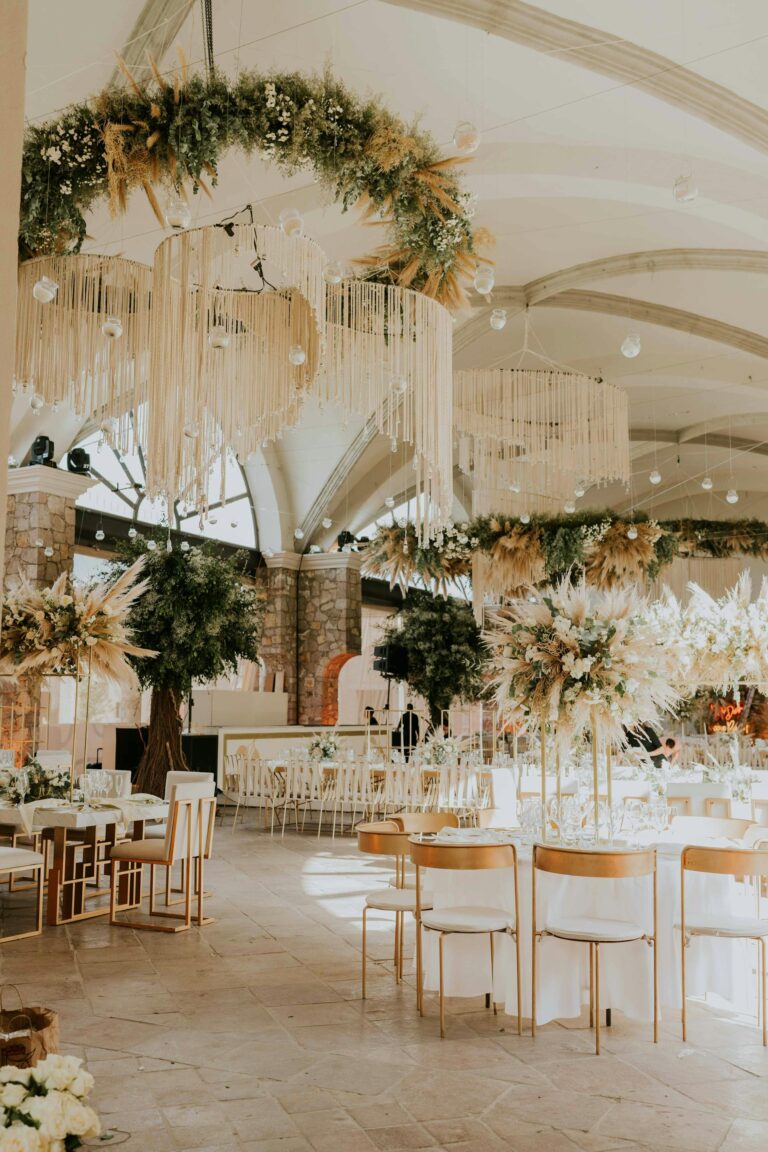
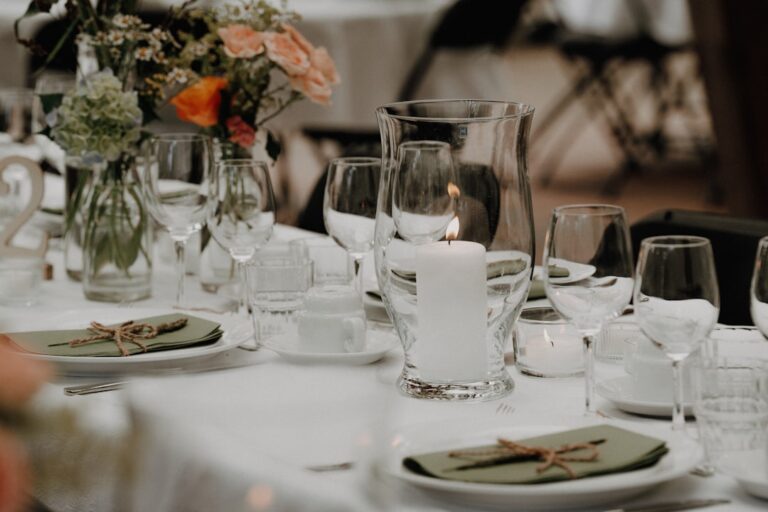
Finalize your décor concept. Approve mood boards, color palettes, and layout plans. Your decorator should present a detailed proposal including floral selections, linen choices, and lighting design. This is also when mock-ups happen if your budget allows.
Send invitations. For Vietnamese weddings, physical invitations are still the norm — especially for older family members. Digital invitations work well as a supplement for overseas guests and friends. Give guests at least 6–8 weeks to respond.
Book entertainment, MC, and hair & makeup. Bilingual MCs are essential for Viet Kieu weddings and book out quickly. Hair and makeup trials should happen during this phase so there are no surprises on the day.
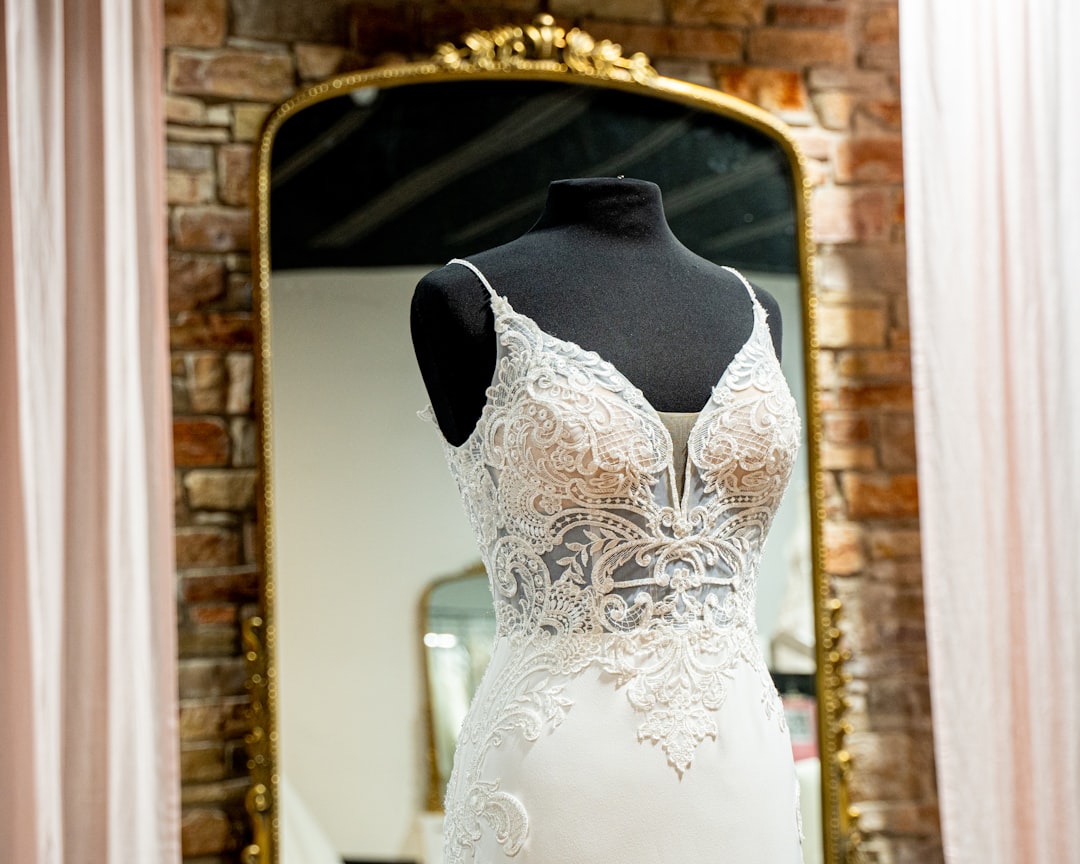
Finding the dress is one of the most emotional milestones in the planning journey
MONTHS 3–1
The Final Countdown
Everything accelerates in the final stretch. The decisions get smaller but more numerous — seating charts, menu selections, timeline coordination, and last-minute RSVPs.
Confirm everything in writing. Reconfirm every vendor — date, time, location, deliverables, payment schedule. Do not assume anything carries over from a conversation six months ago. Send a summary email and ask for written confirmation.
Finalize your guest list and seating chart. In Vietnamese weddings, last-minute additions are common (family politics are real). Build in a 5–10% buffer for unexpected guests, and keep your caterer informed of final numbers.
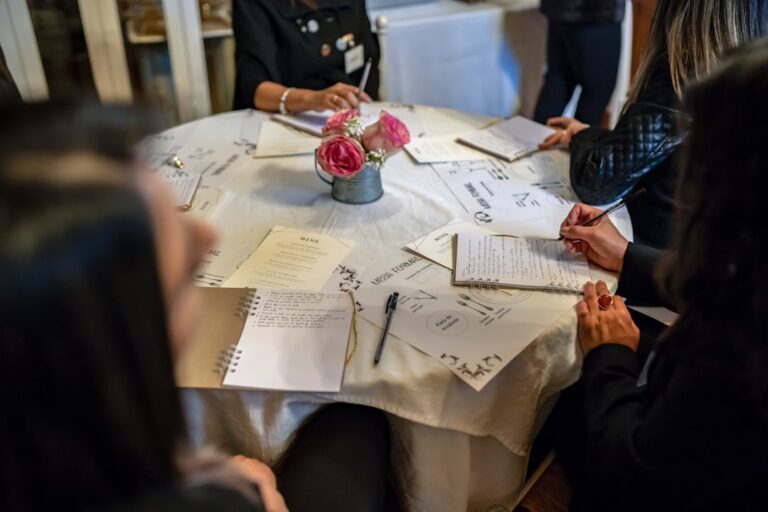
Schedule your tastings and trials. Menu tasting with your caterer, hair and makeup trial, and a final dress fitting should all happen 4–6 weeks before the wedding. This gives you time to adjust if something is not right.
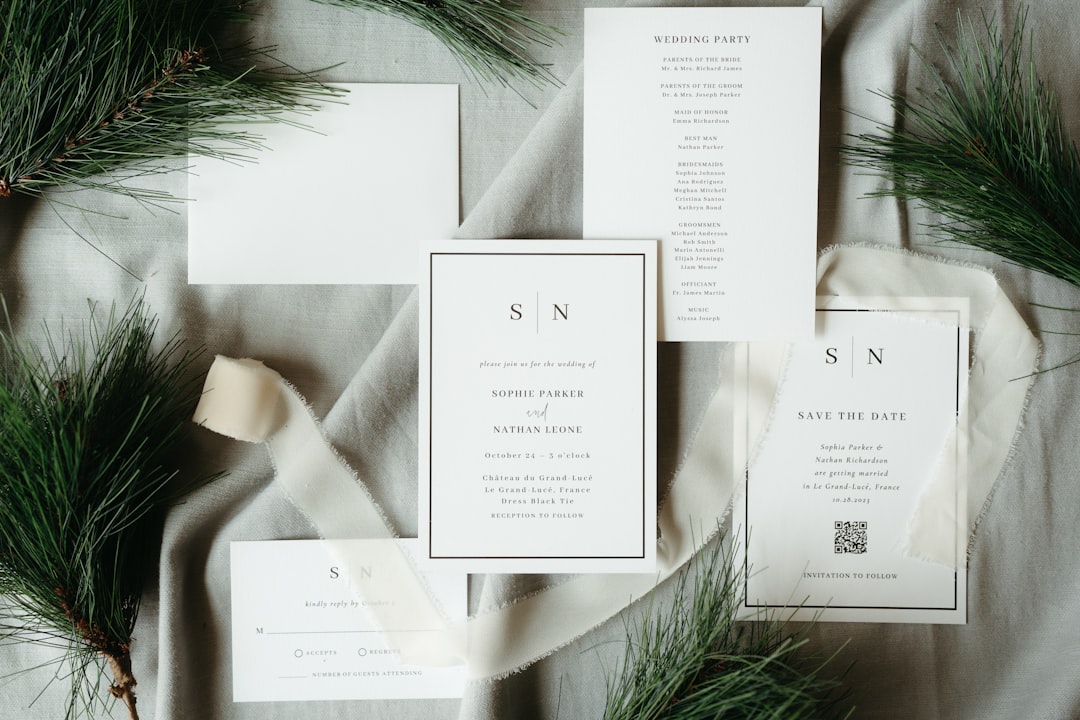
Beautiful stationery sets the tone — your invitation is the first glimpse guests get of your wedding
THE FINAL WEEK
The Week Before and the Day Itself
The final week is about execution, not decision-making. If you have done the work in the months before, this week should feel exciting — not panicked.
Vendor walkthrough. Schedule a site visit with your planner and key vendors (décor, lighting, AV) 3–5 days before. Walk through the timeline minute by minute. Confirm load-in times, setup duration, and emergency contacts.
Prepare your emergency kit. A small bag with safety pins, double-sided tape, pain reliever, phone charger, blotting papers, and a copy of your timeline. Your planner should have one too, but having your own gives peace of mind.
On the day: trust your team. This is what you hired them for. A good planner handles the logistics so you can be fully present. Your only job is to enjoy every moment — the morning preparations, the ceremony, the first dance, and everything in between.
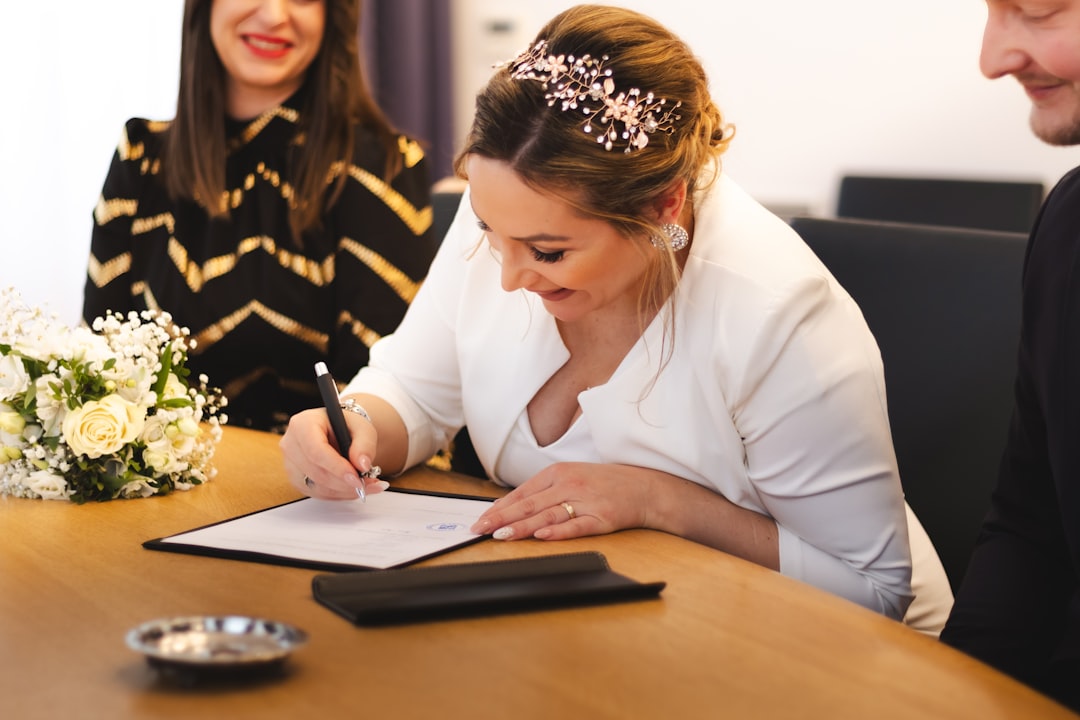
The morning of your wedding — when months of planning transform into a once-in-a-lifetime day
EXPLORE MORE
Complete Vendor Checklist · Budget Allocation Guide · Our Planning Services
RELATED ARTICLES
More resources to keep your planning on track
When should I start wedding planning?
Start wedding planning 12 months before your wedding date for the ideal timeline. Book venue and major vendors 9-12 months out, then layer in details over the following months.
What should I book first when planning a wedding?
Book the venue first, then photographer and wedding planner. These three lock down your date and budget anchor, making every other decision easier to align.
How long does wedding planning take?
Wedding planning typically takes 9 to 12 months from engagement to ceremony. Couples planning intimate or destination weddings sometimes complete it in 6 months.
What’s the final month of wedding planning like?
The final month focuses on confirmations: vendor timelines, guest count, seating, ceremony rehearsal, and emergency kit. Most major decisions are already locked in by this point.
THE WHITE PLANNER
Your Story. Our Stage.
Planning a wedding in Vietnam is a journey of culture, creativity, and celebration. The White Planner brings clarity, beauty, and calm to every step — so all you need to do is show up and say yes.