REAL STORIES
How a Saigon Couple Self-Planned Their Wedding and Saved 30%
The real story of what self-planning looks like — the savings, the stress, and the moments that made it worth it.
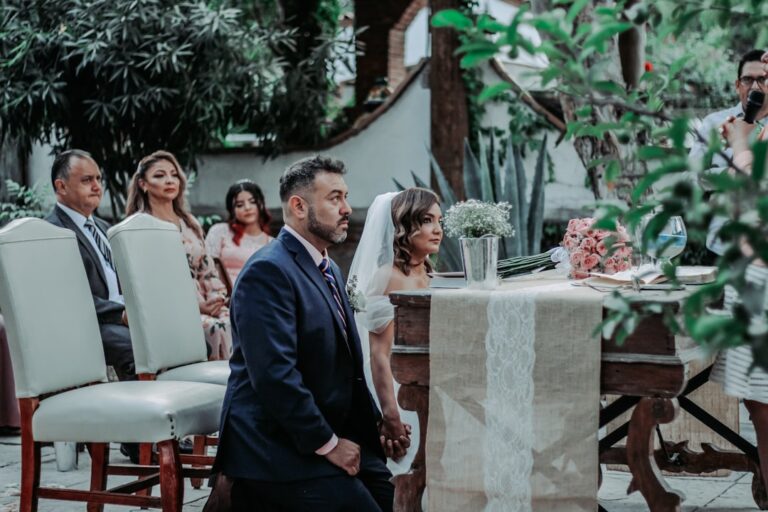
Hà and Tuấn didn’t hire a wedding planner. They built spreadsheets, negotiated with vendors directly, coordinated timelines themselves, and managed a 120-guest celebration from start to finish. Their total spend came in at 140 million VND — roughly 30% less than comparable weddings using a planner. But this isn’t a simple success story. Here’s what actually happened: the real savings, the hidden costs, and the honest assessment of whether they’d do it again.
THE DECISION
Why They Chose to Self-Plan
Hà works in project management; Tuấn is an accountant. Between them, they had the organizational skills, the financial discipline, and — critically — the confidence to manage a complex multi-vendor project. They also had a clear budget target and weren’t willing to pay a planning fee of 15-25 million VND for what they believed they could handle themselves.
“We didn’t decide to skip a planner because we wanted to save money,” Hà clarified. “We decided because we’re both control-oriented people who enjoy project management. The money savings were a bonus, not the motivation.” This distinction matters — couples who self-plan purely to save money often underestimate the time investment.

Hà’s planning spreadsheet had 14 tabs — vendor tracking, budget, timeline, guest list, floor plan, and contingency scenarios.
Their timeline was generous: they started serious planning 10 months before the date. Those extra months proved essential — self-planning takes approximately 200-300 hours of combined effort, spread across research, vendor meetings, tastings, fittings, and coordination. That’s the equivalent of 6-8 full work weeks.
THE SAVINGS For broader inspiration, see Vogue wedding trends.
Where the 30% Actually Came From
The headline number — 30% savings, roughly 60 million VND — breaks down into three categories:
Direct savings (40M): No planner fee (20M), no markup on vendor referrals (vendors in HCMC often pay 5-15% referral commissions to planners, which gets built into pricing). By going directly to vendors and negotiating themselves, Hà and Tuấn captured these margins. They also negotiated a Sunday evening slot at their venue, saving 25% on the food and beverage package.
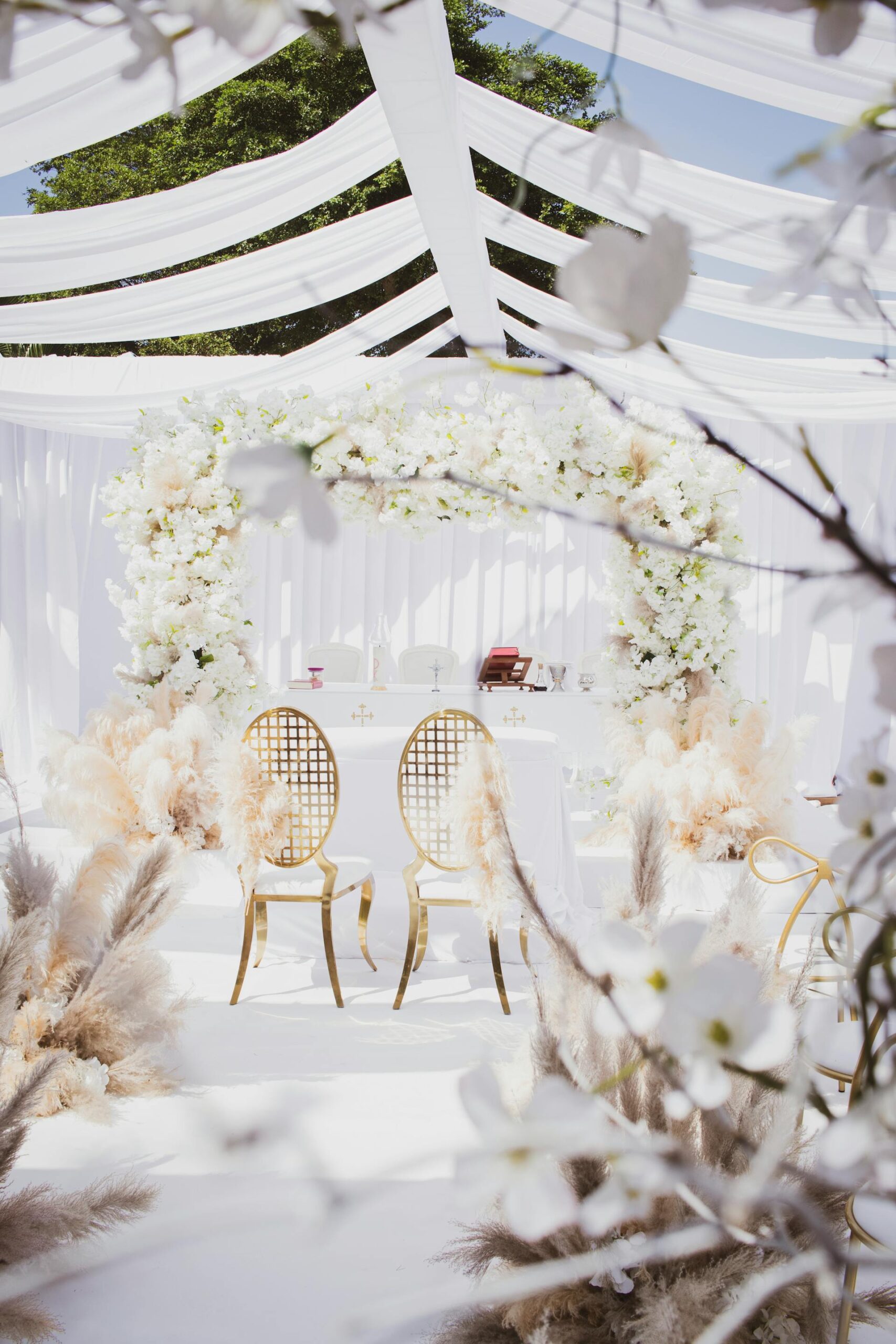
The reception looked polished and professional — guests had no idea the couple had planned everything themselves.
Smart substitutions (15M): Digital invitations instead of printed (5M saved). Playlist on a quality speaker system instead of a live band (12M saved, though they hired a saxophone player for cocktail hour at 3M). Seasonal local flowers instead of imported varieties (8M saved). Avoided impulse upgrades (5M): Without a planner suggesting add-ons, they stuck strictly to their spreadsheet and didn’t drift into “nice-to-have” territory.
The honest caveat: they spent approximately 300 combined hours on planning. At their professional hourly rates, that “free labor” had a theoretical value of about 90 million VND. The financial savings are real only if you don’t count your own time — or if you genuinely enjoy the process.
THE CHALLENGES
What Almost Went Wrong — and What Actually Did
Three weeks before the wedding, their florist cancelled. Not because of a dispute — the florist’s studio had a family emergency and couldn’t take on new commitments. A planner would have had backup vendor relationships to activate immediately. Hà spent four days calling florists, eventually finding one who could accommodate them with a slightly simplified design.
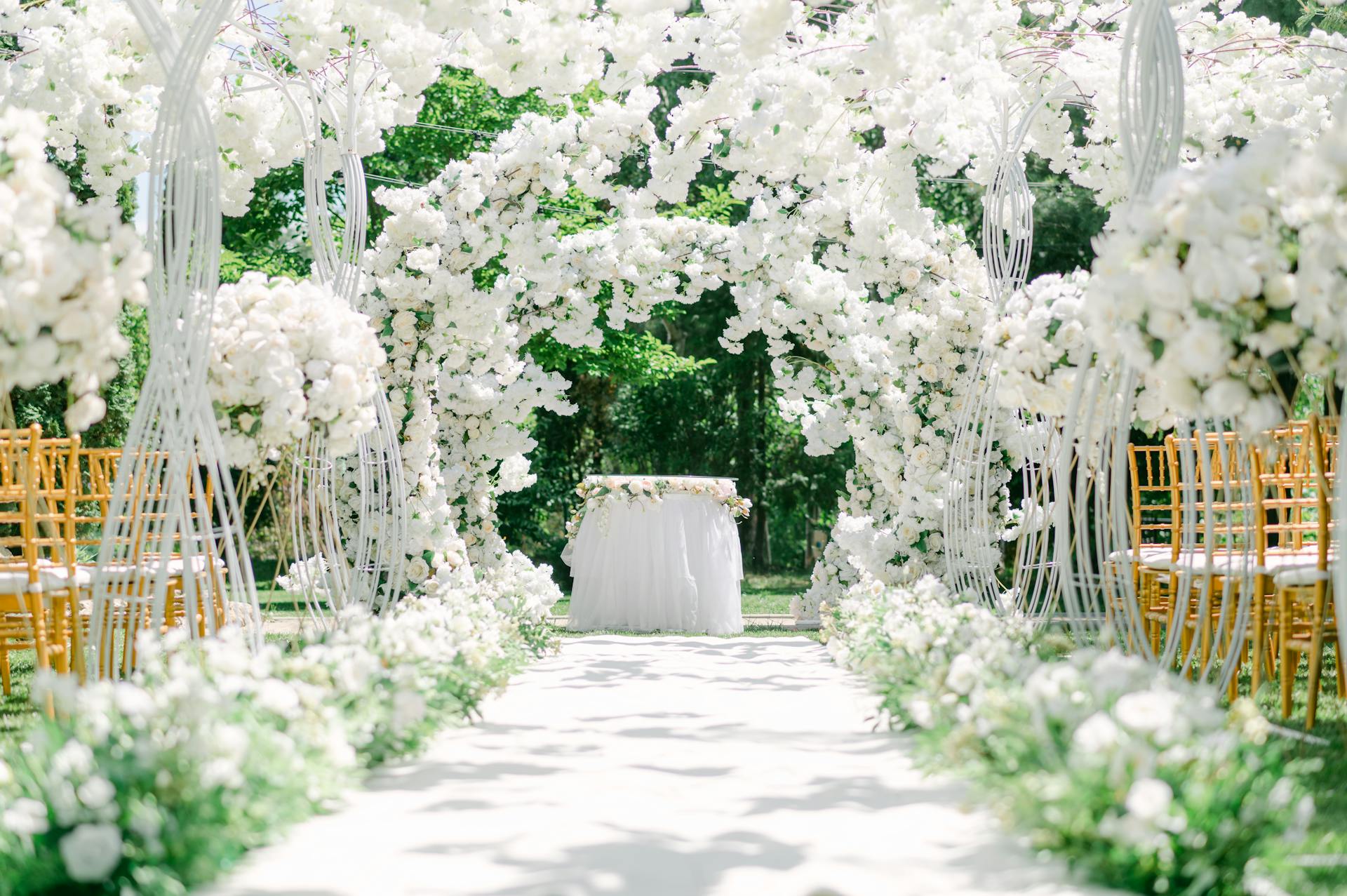
Self-planning means you’re your own project manager — including when things go wrong at the worst possible time.
On the wedding day itself, coordination was the biggest stress point. Without a planner managing the timeline, Hà found herself answering vendor questions during her makeup session, and Tuấn was directing the setup team while trying to get dressed. They’d prepared a detailed timeline for everyone, but when multiple things happened simultaneously, there was no one to triage.
“The first two hours of our wedding day were the most stressful hours of the entire process,” Tuấn admitted. “Everything after cocktail hour was beautiful. But that morning, I wished we’d at least hired a day-of coordinator.” A day-of coordinator — someone who manages just the wedding day for 5-8 million VND — is the compromise that most self-planners eventually wish they’d made.
THE SYSTEM
Their Planning Framework: What Worked Best
Hà’s project management background showed in their planning system. They used a shared Google Sheet with the following structure:
Master timeline: Every task with owner, deadline, status, and dependencies. Updated weekly in a “planning meeting” they held every Sunday evening with coffee. Vendor tracker: Every vendor contacted, their quote, availability, contract status, and payment schedule. Budget tracker: Actual vs. planned spending, updated in real-time. Guest list manager: RSVPs, dietary requirements, seating assignments, gift tracking.

The personal touches that came from self-planning — like handwritten menu cards — gave the wedding its distinctive character.
The key insight from their process: assign clear ownership. They divided vendor categories between them — Hà handled décor, photography, and stationery; Tuấn handled venue, food, transportation, and AV. Each person had full authority over their domains, which prevented the duplication and disagreements that can derail couples who try to do everything together.
Their most useful tool turned out to be a shared WhatsApp group with all vendors, where they posted the final timeline and could broadcast last-minute updates. Simple, but it prevented the “I didn’t get that message” problems that plague wedding-day coordination.
THE VERDICT
Would They Do It Again? The Honest Answer
“Yes and no,” Hà said — which is the most honest answer any self-planning couple can give. “Yes, because the process brought us closer together and we learned things about each other’s working styles that will serve our marriage. No, because there were moments — especially that last month — where the stress was genuinely affecting our relationship and our sleep.”

Despite the challenges, Hà and Tuấn agree: the wedding felt entirely, unmistakably theirs.
Their advice for couples considering self-planning: Be honest about your stress tolerance. If one of you is already working 60-hour weeks, adding 300 hours of wedding planning will break something. Hire a day-of coordinator. The 5-8M investment is the single highest-value spend for self-planners. Start earlier than you think. 10 months minimum, 12 is better. Set a weekly planning ritual. Consistency prevents last-minute panic.
The bottom line: self-planning can produce a beautiful wedding and meaningful savings, but it’s not for everyone. It requires specific skills (organization, negotiation, vendor management), sufficient time, and — perhaps most importantly — a partner who’s equally committed to the process. If both conditions are met, the result can be a wedding that feels more personally yours than any planner could have created.
EXPLORE MORE
DIY Wedding Reality Check · 100M VND Budget · Common Mistakes
RELATED STORIES
More real stories and practical guides
THE WHITE PLANNER
Your Story. Our Stage.
Planning a wedding in Vietnam is a journey of culture, creativity, and celebration. The White Planner brings clarity, beauty, and calm to every step — so all you need to do is show up and say yes.

![[Real Wedding] A Romantic Pink Pastel Celebration at a Saigon Restaurant](https://thewhiteplanner.vn/wp-content/uploads/2026/05/twp-2735-hero-px-768x512.jpg "[Real Wedding] A Romantic Pink Pastel Celebration at a Saigon Restaurant 8")
![[Real Wedding] A Minimalist Black & White Celebration in Ho Chi Minh City](https://thewhiteplanner.vn/wp-content/uploads/2026/05/twp-2733-hero-px-768x512.jpg "[Real Wedding] A Minimalist Black & White Celebration in Ho Chi Minh City 9")
![[Real Wedding] An Intimate Garden Celebration for 60 Guests at a Saigon Villa](https://thewhiteplanner.vn/wp-content/uploads/2026/05/twp-2734-hero-px-768x512.jpg "[Real Wedding] An Intimate Garden Celebration for 60 Guests at a Saigon Villa 10")