WEDDING GUIDE
10 Wedding Trends Shaping 2026 — According to Professional Planners
The shifts actually happening in Vietnamese weddings right now, straight from the people planning them.
Every year, wedding magazines publish trend lists that feel more like Pinterest mood boards than actual forecasts. Here’s something different: ten shifts we’re seeing in real weddings — not what looks good on Instagram, but what couples are actually choosing when they sit down to plan. These observations come from working with dozens of couples across Ho Chi Minh City and beyond, and from conversations with planners, decorators, and venue managers who see the same patterns emerging independently.
TREND 1 & 2
Micro Weddings and the Death of the Obligation Guest List
The biggest structural shift in Vietnamese weddings isn’t about aesthetics — it’s about size. More couples are choosing celebrations under 100 guests, and some under 50. This isn’t just a leftover from pandemic caution; it’s a genuine philosophical shift among younger couples who’d rather invest deeply in fewer people than spread thin across 300.
Related to this: the “obligation guest list” is dying. Parents’ business contacts, distant relatives met once at Tết, your dad’s golf buddies — couples are having honest conversations about who genuinely belongs at their wedding. It’s uncomfortable, but the result is celebrations where every face in the room matters.
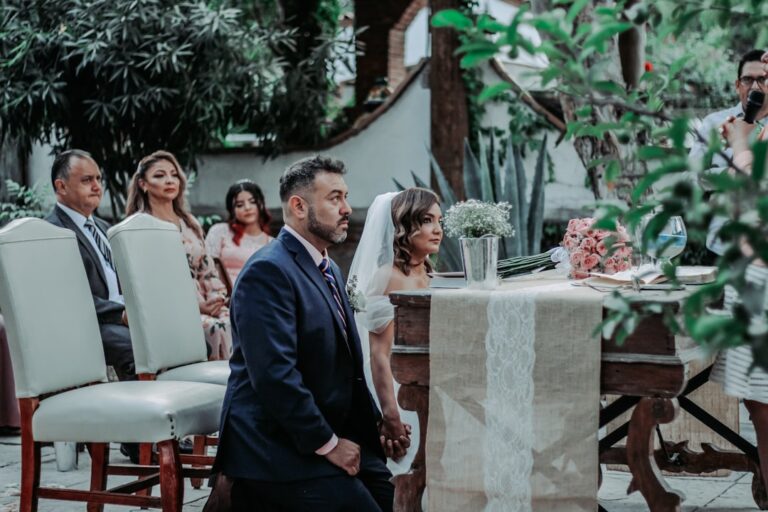
A 60-person reception where every detail could be personalized — the defining quality of micro weddings.
The financial math helps too: a 60-guest wedding at a premium venue often costs less than a 250-guest wedding at a mid-range restaurant, but the per-guest experience is dramatically better. Couples are choosing quality of presence over quantity of attendance.
TREND 3 & 4 For broader inspiration, see Brides.com wedding inspiration.
Sustainability Moves From Buzzword to Practice
Two years ago, “sustainable wedding” meant using recyclable straws. In 2026, it means something more substantive. Couples are choosing locally grown flowers over imported Dutch roses, opting for seasonal blooms that thrive in Vietnam’s climate rather than forcing a European aesthetic. They’re selecting venues that don’t require heavy construction and tear-down.

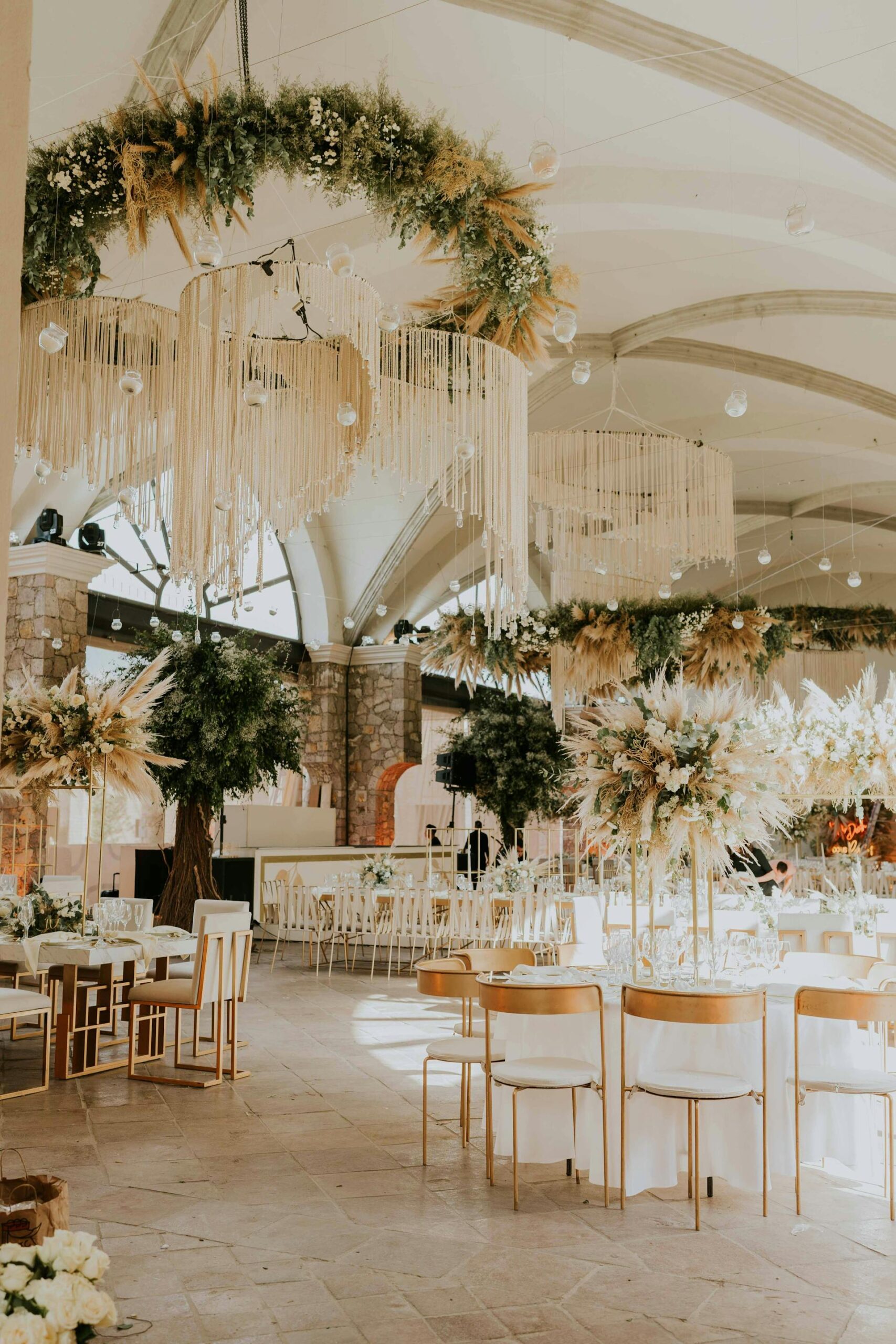
Locally sourced florals and minimal structural décor — sustainability that enhances rather than limits design.
The fourth trend connects directly: rental over purchase is becoming standard practice for décor elements. Instead of buying hundreds of vases that end up in storage, couples and decorators are building rental inventories that serve multiple events. It’s better economics and better for the environment — a rare win-win in wedding planning.
Food waste reduction is another frontier. Family-style service (shared platters instead of individual plates) is gaining popularity not just for its convivial atmosphere but because it generates significantly less waste than pre-plated courses where untouched dishes go straight to the bin.
TREND 5 & 6
Bold Venues and the Rejection of Beige
The “all-white wedding” had a good run, but 2026 couples are craving personality. We’re seeing a decisive move toward venues with character — colonial villas, converted warehouses, rooftop gardens, art galleries — spaces that bring their own visual identity rather than serving as blank canvases.
This connects to a broader aesthetic shift: couples are rejecting “safe” palettes in favor of bolder choices. Deep burgundy, forest green, terracotta, midnight blue — colors that would have been considered risky five years ago are now becoming standard requests. The key insight: bold colors photograph better and create more memorable environments than the beige-and-blush combinations that dominated the late 2010s.

Statement lighting and deep color palettes are replacing the all-white aesthetic that dominated previous years.
Lighting design has evolved from “string lights everywhere” to intentional, layered illumination. Couples are hiring lighting designers — or at least having serious conversations with their decorators about how light shapes mood at different moments throughout the evening.
TREND 7 & 8
Cultural Fusion Done With Intention
For Viet Kieu couples especially, the 2026 wedding is a negotiation between traditions — not choosing one culture over another, but weaving them together thoughtfully. We’re seeing tea ceremonies that honor Vietnamese customs while incorporating elements from a partner’s heritage, receptions that blend Vietnamese and Western dining styles, and dress changes that tell a story rather than just showing off outfits.
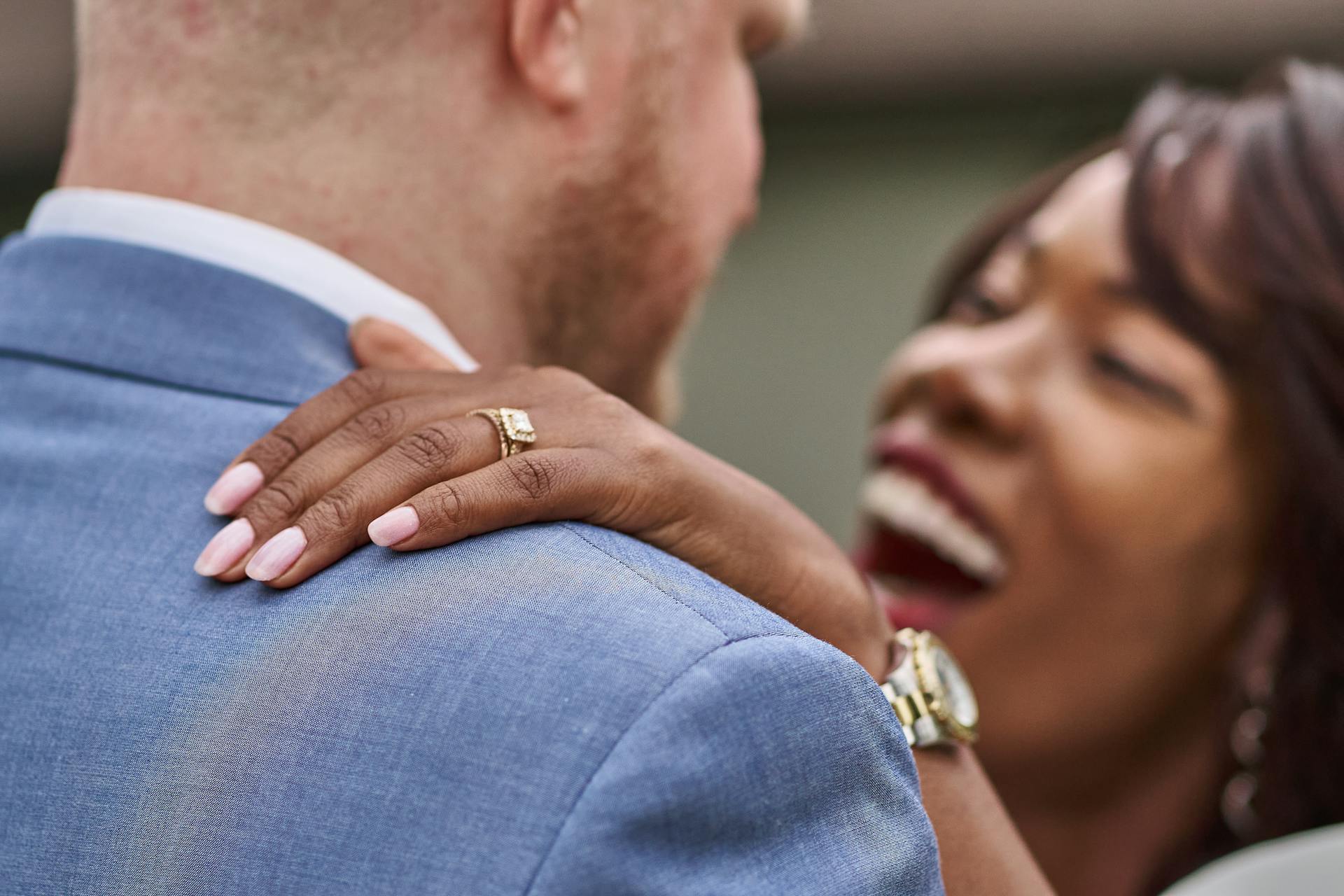
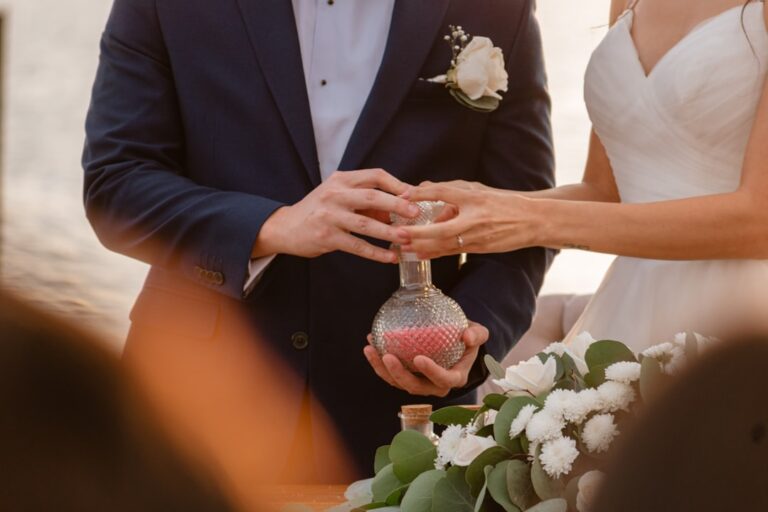
Modern couples are finding creative ways to honor multiple cultural backgrounds in a single celebration.
The eighth trend is experiential over material. Couples are shifting budget from physical décor toward experiences: live cooking stations instead of buffet tables, interactive cocktail bars, surprise musical performances, curated scent environments. The logic is sound — guests remember how an experience made them feel far longer than they remember what the centerpieces looked like.
Photo booths have evolved too — from novelty props and awkward backdrops to genuinely creative installations: polaroid stations, 360-degree video booths, and artist-sketched portraits that guests take home as unique keepsakes.
TREND 9 & 10
Technology Integration and the Rise of the Weekday Wedding
Wedding websites have gone from optional to expected, especially for Viet Kieu couples managing RSVPs across time zones. But the technology trend extends further: digital floor plans that guests can browse before arriving, QR-coded menus that link to ingredient stories, and livestreaming setups that have become sophisticated enough to feel inclusive rather than like an afterthought.

Weekday and Sunday weddings are becoming more popular as couples prioritize venue quality over traditional Saturday scheduling.
The final trend is pragmatic: weekday and Sunday weddings are rising sharply. Premium venues that charge 40-60% more on Saturdays are suddenly accessible on Thursdays or Sundays. For couples whose priority is the venue and vendor team rather than the specific day, this shift unlocks dramatically better options within the same budget.
Taken together, these ten trends point in one direction: couples in 2026 want weddings that feel theirs. Not a copy of something they saw on social media, not a template from a venue’s package menu, but a celebration designed around their specific story, values, and community. The wedding industry is slowly catching up to this demand — and the couples leading the charge are creating some of the most memorable celebrations we’ve ever seen.
EXPLORE MORE
Micro Weddings in Vietnam · Boho Wedding Style · 100M VND Budget Guide
RELATED ARTICLES
Dive deeper into what’s shaping weddings today
THE WHITE PLANNER
Your Story. Our Stage.
Planning a wedding in Vietnam is a journey of culture, creativity, and celebration. The White Planner brings clarity, beauty, and calm to every step — so all you need to do is show up and say yes.
![[Real Wedding] How a Saigon Couple Self-Planned Their Wedding and Saved 30%](https://thewhiteplanner.vn/wp-content/uploads/2026/05/twp-2743-hero-px-768x512.jpg "[Real Wedding] How a Saigon Couple Self-Planned Their Wedding and Saved 30% 7")
![[Real Wedding] A Romantic Pink Pastel Celebration at a Saigon Restaurant](https://thewhiteplanner.vn/wp-content/uploads/2026/05/twp-2735-hero-px-768x512.jpg "[Real Wedding] A Romantic Pink Pastel Celebration at a Saigon Restaurant 8")
![[Real Wedding] A Minimalist Black & White Celebration in Ho Chi Minh City](https://thewhiteplanner.vn/wp-content/uploads/2026/05/twp-2733-hero-px-768x512.jpg "[Real Wedding] A Minimalist Black & White Celebration in Ho Chi Minh City 9")
![[Real Wedding] An Intimate Garden Celebration for 60 Guests at a Saigon Villa](https://thewhiteplanner.vn/wp-content/uploads/2026/05/twp-2734-hero-px-768x512.jpg "[Real Wedding] An Intimate Garden Celebration for 60 Guests at a Saigon Villa 10")