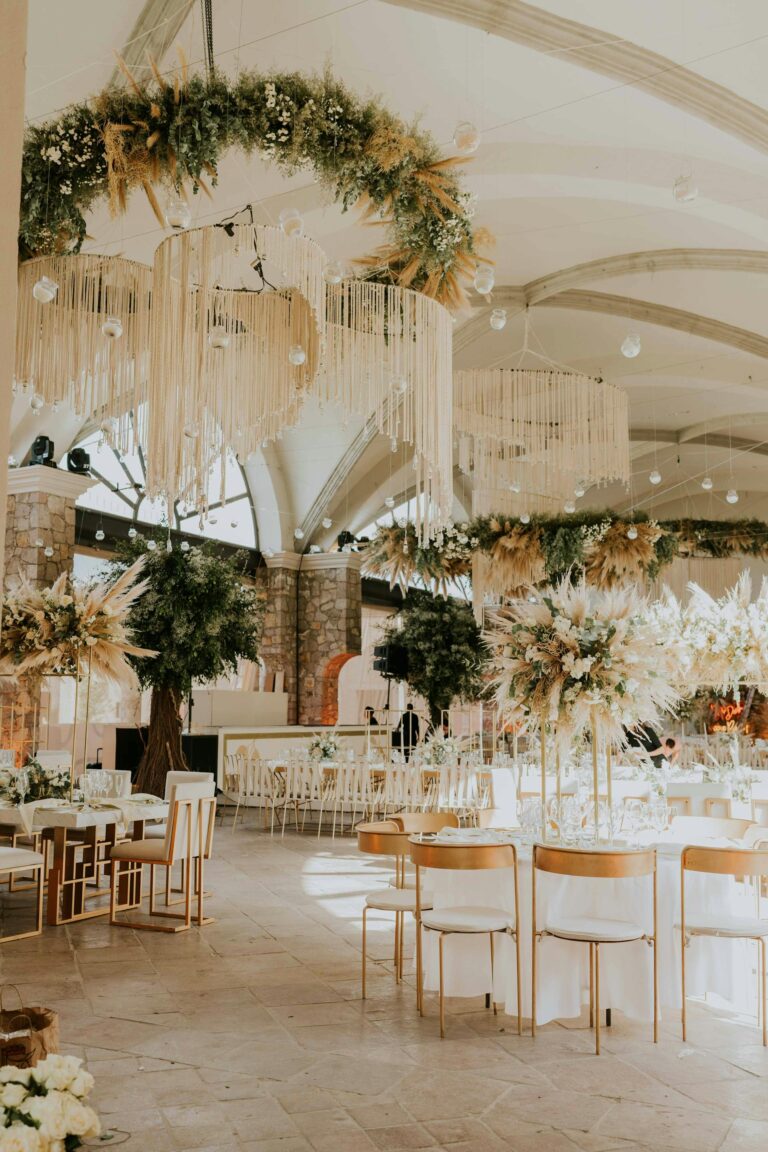
TRADITIONS & CULTURE
Tea Ceremony for Viet Kieu Brides: What to Prepare and Expect
A practical guide for brides raised abroad — navigating Vietnamese wedding traditions with confidence and grace.
If you grew up in the U.S., Australia, France, or anywhere outside Vietnam, the tea ceremony can feel like navigating a beautiful but unfamiliar ritual. You know it matters — your parents have been talking about it since you got engaged — but the details are fuzzy: Who bows to whom? What goes on the trays? What if your partner isn’t Vietnamese? This guide covers everything a Viet Kieu bride needs to know, from the practical logistics to the emotional nuances that make this ceremony genuinely meaningful.
THE BASICS
What the Tea Ceremony Actually Is — and Why It Matters
The Vietnamese tea ceremony (lễ gia tiên) is the formal introduction of the bride and groom to each other’s families. It’s not a legal ceremony — it’s a cultural one, rooted in Confucian traditions of filial piety and family respect. The couple serves tea to each elder in order of seniority, receives blessings and gifts (usually gold jewelry or cash in red envelopes), and is formally recognized as part of the extended family.
For Viet Kieu families, the tea ceremony often carries extra emotional weight. It’s a moment of cultural connection — proof that distance hasn’t diluted identity. Parents who spent decades building lives abroad see their children honoring traditions that they themselves grew up with. Don’t underestimate how much this moment means to your family, even if they don’t articulate it explicitly.
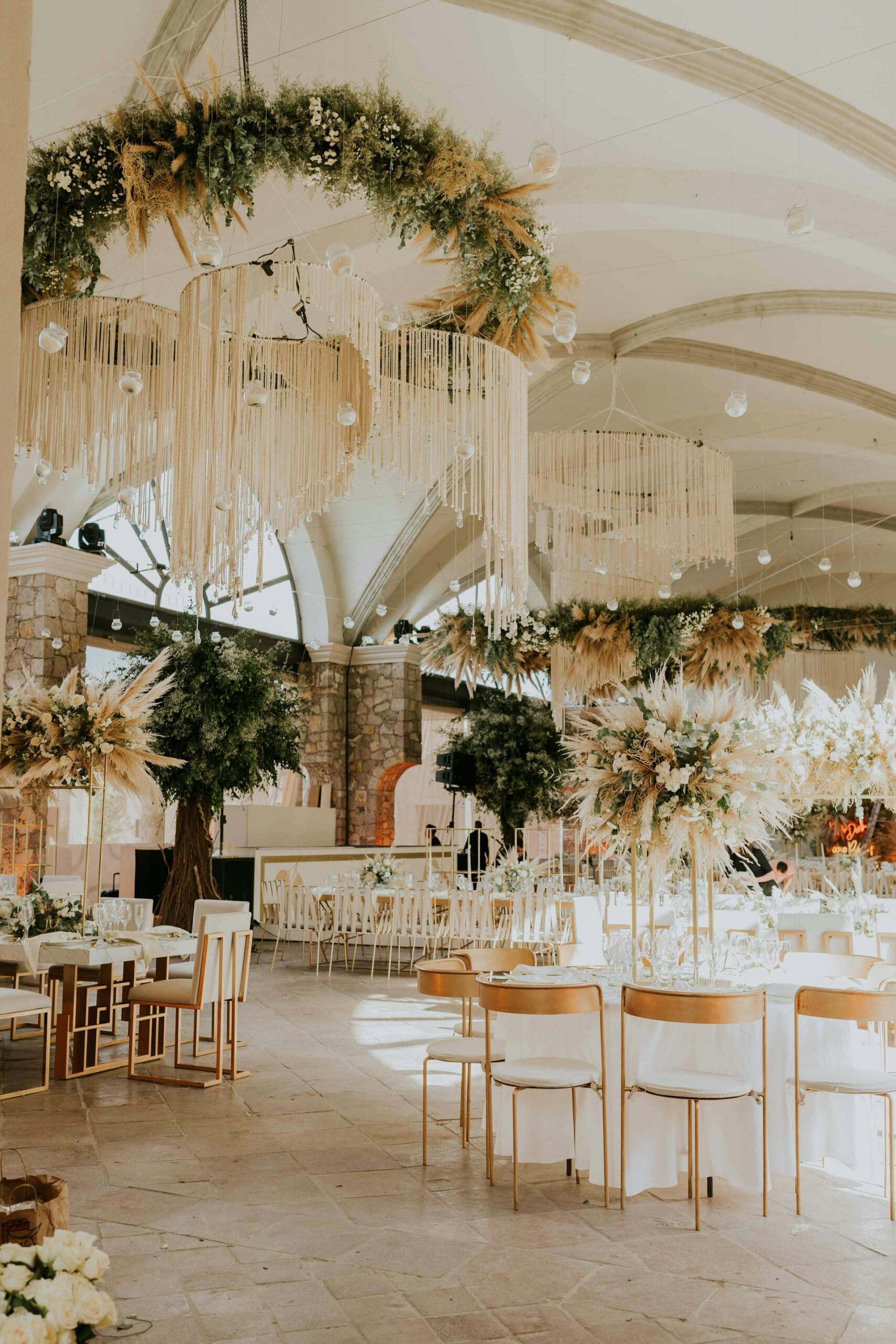
The tea ceremony is fundamentally about family connection — honoring the generations who made your story possible.
Structurally, the ceremony happens at the bride’s family home first (lễ đón dâu), then moves to the groom’s home. In modern practice — especially for Viet Kieu weddings in Vietnam — both ceremonies sometimes happen at the same venue on the same morning to accommodate travel logistics.
THE PREPARATION For broader inspiration, see WeddingWire ideas.
What You Need to Prepare: The Complete Checklist
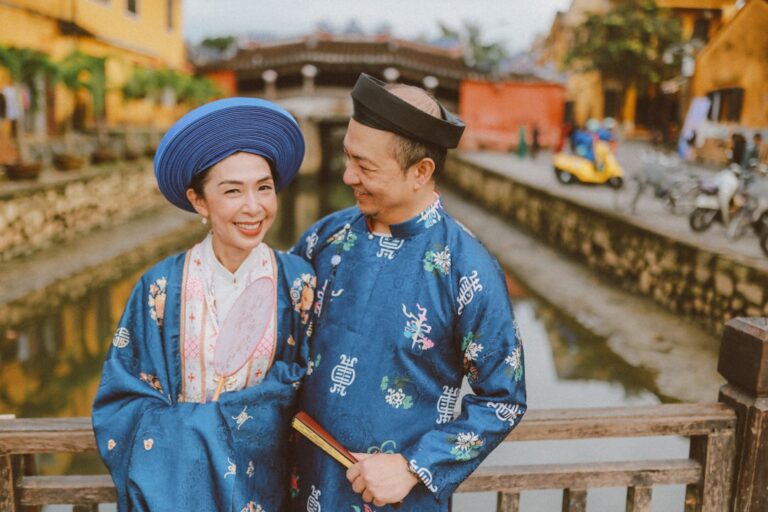
The áo dài: Both the bride and groom wear áo dài for the tea ceremony. The bride’s is typically red or pink (symbolizing luck and happiness), though modern brides increasingly choose other colors — dusty rose, champagne gold, or even pastel blue. The groom’s áo dài traditionally matches or complements the bride’s. Order or rent at least 6-8 weeks in advance; alterations take time.
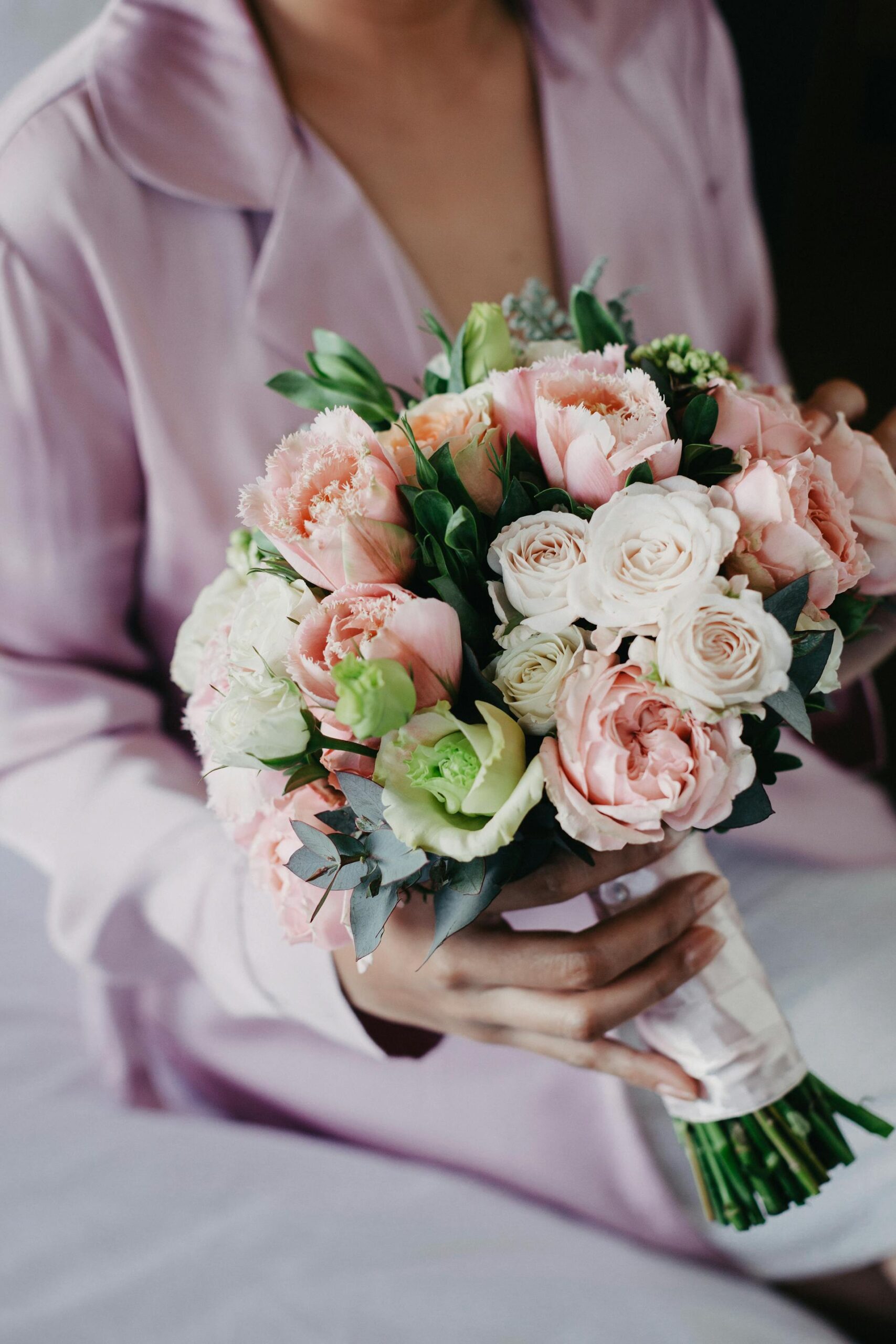
The áo dài should be fitted and comfortable — you’ll be kneeling, standing, and moving through tight spaces.
The trays (mâm quả): The groom’s family presents gifts to the bride’s family on decorated trays. The number must be odd (5, 7, 9, or 11 — never even, as odd numbers symbolize growth). Common items include: betel leaves and areca nuts (trầu cau — the most essential), tea, wine or liquor, fruit, wedding cakes (bánh), roasted pig, and jewelry for the bride.
The tea set: A traditional tea set with small cups — one for each elder who will be served. Have extra cups ready. Red envelopes (phong bì/lì xì): Prepare these for giving to the younger tray bearers and helpers. Candles and incense: For the ancestor altar prayer that opens the ceremony.
THE CEREMONY
Step-by-Step: What Actually Happens During the Day
Morning (typically 8-10 AM): The groom’s procession arrives at the bride’s family home. This is choreographed — the groomsmen carry the gift trays, the groom walks behind them, and the bride’s family formally opens the door to welcome them. In some families, a representative from each side gives a short speech. Keep these brief — 2-3 minutes maximum.
The tea serving: The couple kneels before each pair of elders (grandparents first, then parents, then aunts and uncles) and offers tea with both hands. The elders drink, offer blessings and advice, and present gifts — usually gold jewelry for the bride and red envelopes for both. The order of seniority matters: ask your parents to create the list in advance so there’s no awkward confusion about who goes next.

Each elder receives tea individually — take your time with this. The blessings and stories shared are often the most emotional part of the day.
The ancestor prayer: Before or after the tea serving, the couple prays at the family’s ancestor altar. Incense is lit, and the couple bows three times. If your partner isn’t Vietnamese, a brief explanation beforehand helps them participate respectfully without feeling lost. Most families are deeply appreciative when a non-Vietnamese partner engages with this moment sincerely.
THE NAVIGATION
When Your Partner Isn’t Vietnamese — or Families Disagree
Mixed-culture tea ceremonies are increasingly common for Viet Kieu couples, and they can be some of the most beautiful versions of the tradition. The key is communication: brief your partner thoroughly on what will happen, who they’ll meet, and what’s expected. Most non-Vietnamese partners are nervous about “doing it wrong” — reassure them that sincerity matters more than perfection.

Modern tea ceremonies adapt traditional elements while keeping the core meaning intact — respect, family, and blessing.
Practical tips for cross-cultural ceremonies: Have someone (a planner or family member) serve as a quiet guide — standing beside the couple and gently directing them during the kneeling, tea-pouring, and receiving. Provide a printed program in both languages for the non-Vietnamese family’s side so they understand what’s happening. Consider incorporating a small element from the other culture — a reading, a blessing, or a symbolic gesture — so both families feel represented.
When families disagree on ceremony details (it happens more often than anyone admits), the couple’s job is to mediate, not arbitrate. Listen to what each side values most, find the overlap, and build from there. Most disagreements are about feeling heard, not about specific details.
THE MODERN TOUCH
How Today’s Viet Kieu Brides Are Updating the Tradition
The tea ceremony is evolving — and that’s healthy. Traditions that don’t adapt eventually become empty gestures. Here are updates that modern Viet Kieu brides are making while preserving the ceremony’s heart:
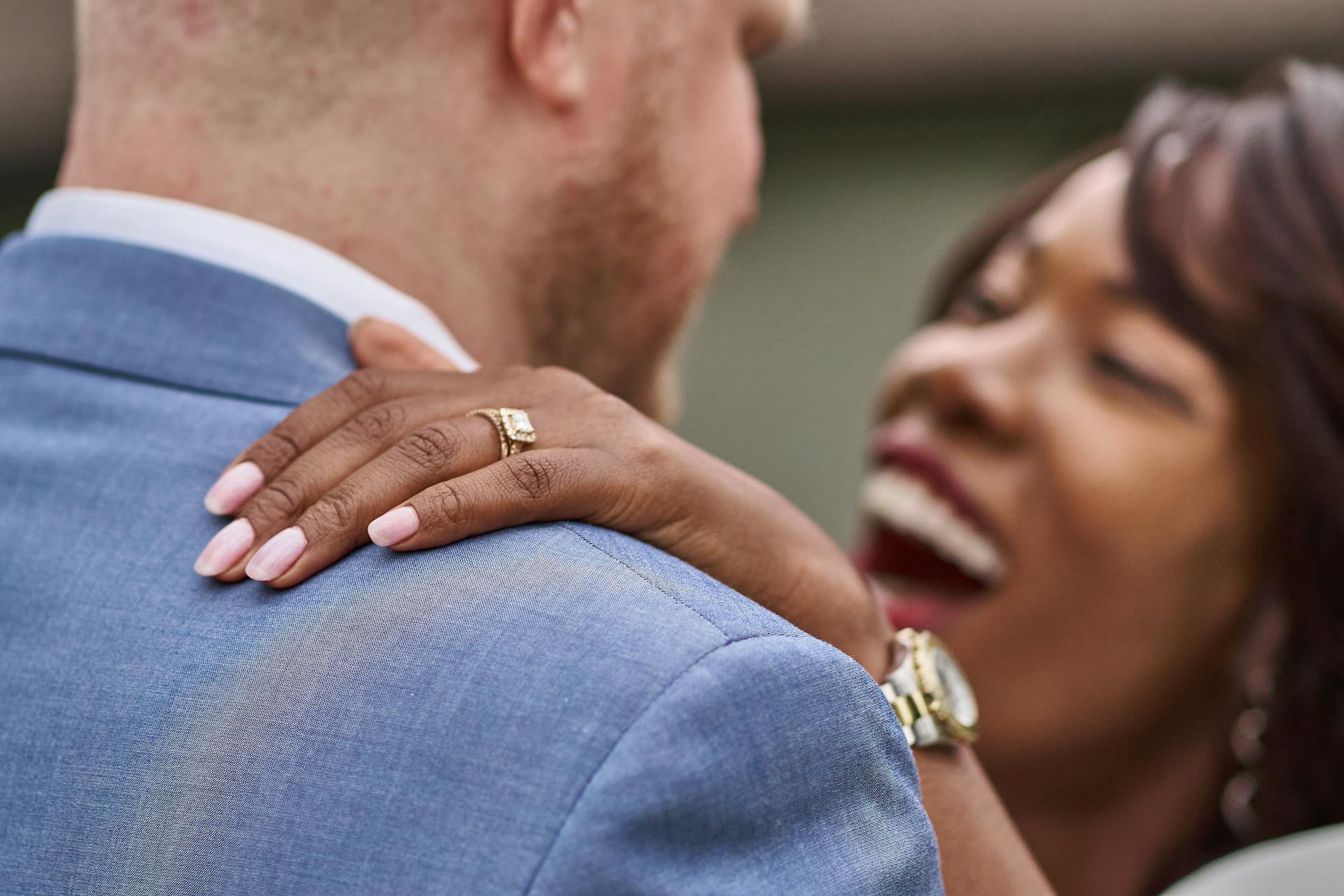
Today’s tea ceremonies honor tradition while reflecting the couple’s unique story and cultural identity.
Venue flexibility: Instead of parents’ homes (which may be overseas), many couples hold the tea ceremony at the wedding venue — a private room at the hotel or restaurant, or even outdoors with a beautifully styled gia tiên setup. Timing: Some couples integrate the tea ceremony into the reception timeline rather than doing it as a separate morning event. Personal touches: Writing personal letters to parents read aloud during the ceremony, or creating a photo display of both families’ immigration journeys.
The most important thing: understand the why before you change the how. The tea ceremony exists to honor family connections across generations. As long as your version achieves that — whether it follows every traditional step or adapts them for your circumstances — you’re doing it right.
EXPLORE MORE
RELATED ARTICLES
More cultural guides for your Vietnamese wedding
THE WHITE PLANNER
Your Story. Our Stage.
Planning a wedding in Vietnam is a journey of culture, creativity, and celebration. The White Planner brings clarity, beauty, and calm to every step — so all you need to do is show up and say yes.