VIET KIEU GUIDE
Vietnamese Wedding Traditions Explained: A Complete Guide
From the lễ dạm ngõ to the wedding banquet — a modern guide to the beautiful customs that shape Vietnamese weddings, written for couples navigating tradition with intention.
Vietnamese weddings are layered with meaning — each ritual, each gift, each gesture carrying generations of cultural significance. For couples with Vietnamese heritage planning a wedding abroad or at home, understanding these traditions isn’t just about following protocol. It’s about honoring where you come from while creating a celebration that feels authentically yours.
THE ENGAGEMENT
Lễ Dạm Ngõ: The Formal Engagement Visit
The lễ dạm ngõ is the first official step in a Vietnamese wedding — a formal visit where the groom’s family comes to the bride’s family home to ask permission for the couple to marry. It’s an intimate gathering, typically involving parents, grandparents, and close relatives from both sides.
During this visit, the groom’s family brings symbolic gifts — usually betel leaves and areca nuts, tea, wine, and fruit — arranged in red or pink trays called mâm quả. These aren’t just presents; they represent respect, good fortune, and the beginning of a bond between two families.
The atmosphere is warm but formal. Elders exchange words of blessing, the couple pays respect to ancestors at the family altar, and the families discuss wedding plans. For many Viet Kieu couples, this is the ceremony that connects them most deeply to their roots.
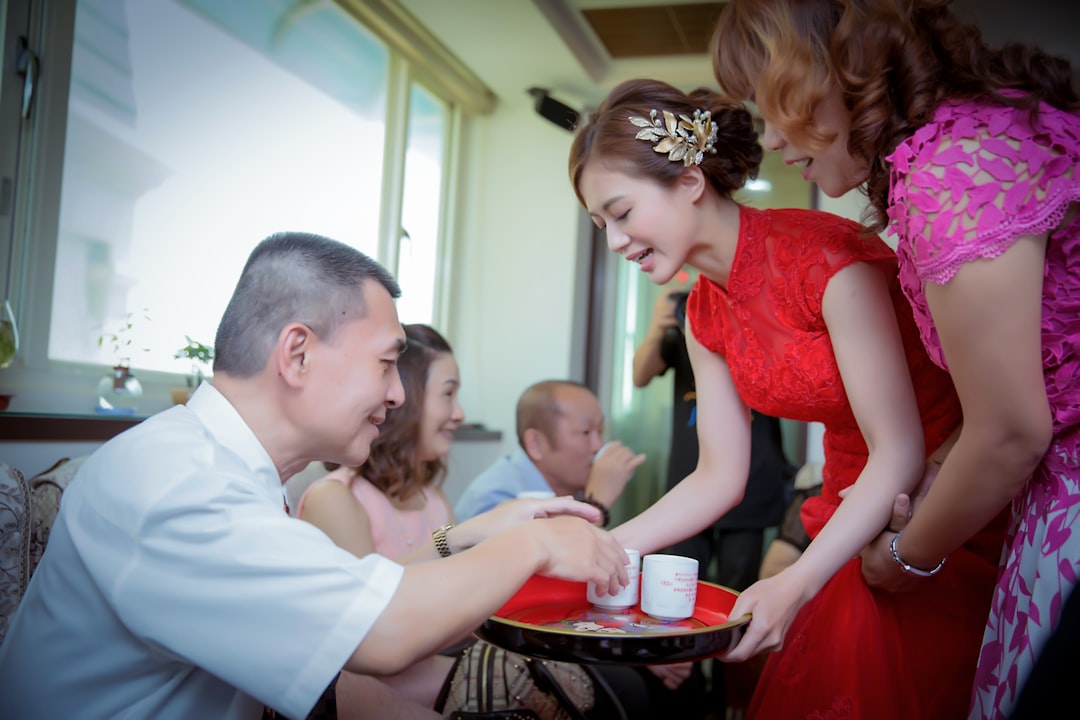
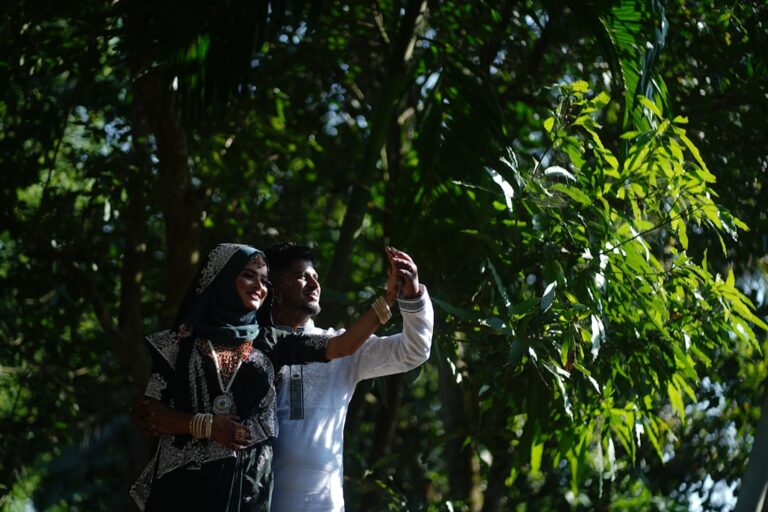
The lễ dạm ngõ brings two families together in a moment of formality and warmth
THE GIFTS For broader inspiration, see Brides.com wedding inspiration.
Mâm Quả: The Art of Wedding Gift Trays
Mâm quả — the ceremonial gift trays — are one of the most visually striking elements of a Vietnamese wedding. Carried by the groom’s procession, these trays are elaborately arranged and always presented in odd numbers (five, seven, or nine), which symbolize good luck in Vietnamese culture.
Each tray carries items with specific meaning: betel leaves and areca nuts for unity, sticky rice cakes for prosperity, roasted pig for abundance, tea and wine for respect to the elders. Modern couples sometimes add personal touches — artisanal chocolates, imported fruit, or custom-wrapped sweets — while keeping the traditional foundation intact.
The presentation matters as much as the contents. Trays are covered with red or pink fabric, decorated with elaborate bows, and carried by an equal number of unmarried men from the groom’s side, matched by unmarried women from the bride’s side who receive them at the door.

Each mâm quả tells a story of respect, prosperity, and family honor
THE RITUALS
The Tea Ceremony and Ancestor Prayers
At the heart of every Vietnamese wedding is the tea ceremony — a sacred moment where the couple serves tea to their parents and elders as a gesture of gratitude and respect. Each cup offered is an acknowledgment of the sacrifices their families have made, and each sip accepted is a blessing given in return.
Before the tea is served, the couple typically pays respect at the family altar, lighting incense and bowing to honor their ancestors. This ritual connects the wedding to something larger than the couple themselves — it’s an invitation for ancestral blessings and a recognition that family extends beyond the living.
In return for the tea, parents and elders gift the couple with gold jewelry, envelopes of money, or words of wisdom. These exchanges are deeply emotional, often bringing tears — especially for families who have been separated by distance or migration.

The tea ceremony transforms a wedding into a conversation between generations
THE ATTIRE
Áo Dài: Tradition Meets Modern Elegance
The áo dài — Vietnam’s iconic national garment — plays a central role in wedding celebrations. Traditionally, the bride wears a red or pink áo dài for the ceremony at home, symbolizing luck and happiness, while the groom wears a complementary design in deep blue, gold, or burgundy.
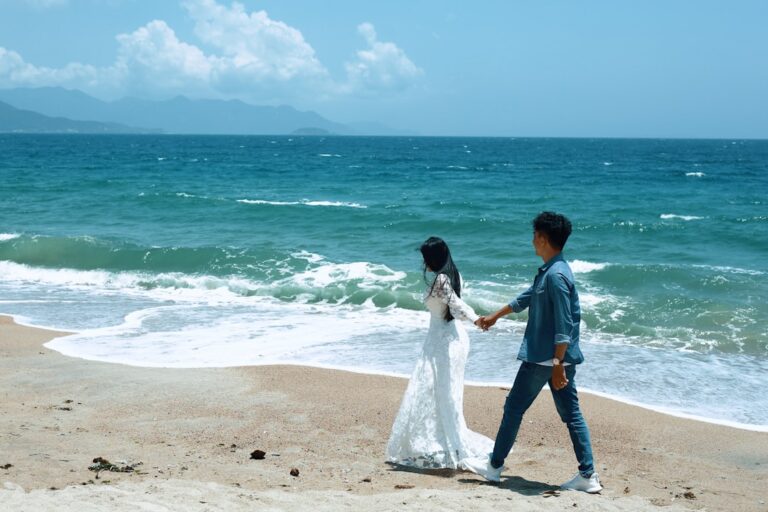
Modern couples are reimagining the áo dài with contemporary fabrics, subtle embroidery, and refined silhouettes that honor tradition while feeling fresh. Some brides opt for a blush or champagne áo dài for the ceremony, then change into a white gown for the reception — bridging Vietnamese heritage with Western wedding culture.
For Viet Kieu couples, wearing the áo dài is often a deeply personal choice — a way to visually declare their cultural identity on one of the most important days of their lives. The right áo dài doesn’t just look beautiful; it feels like coming home.
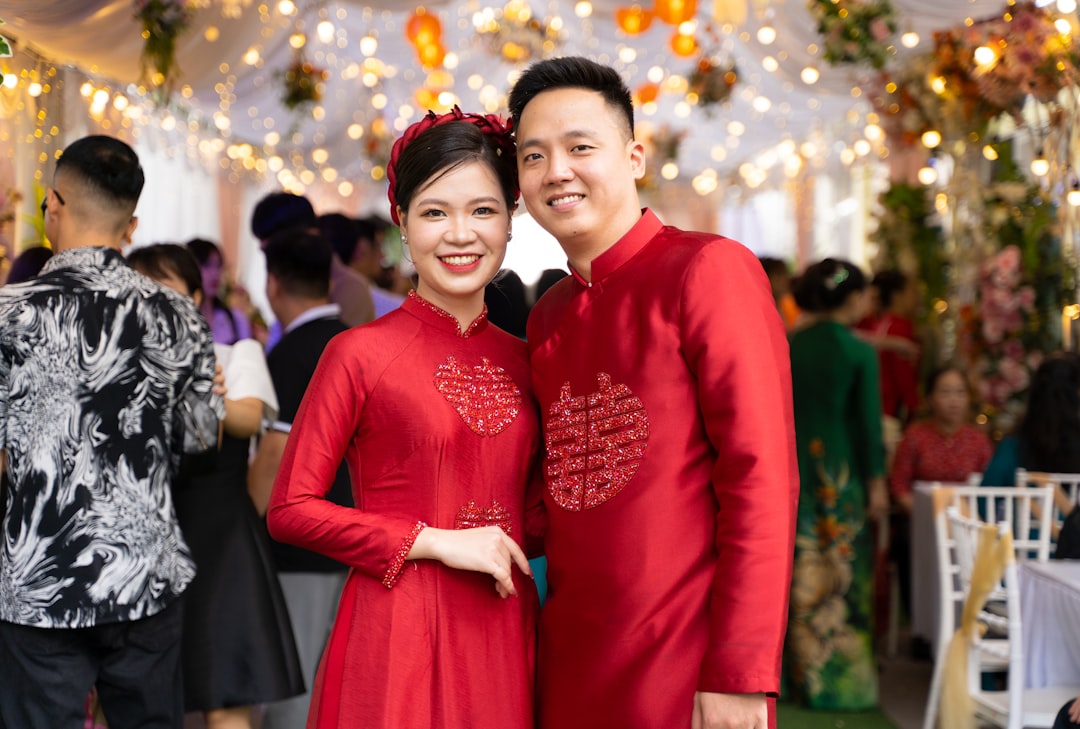
The áo dài carries centuries of Vietnamese artistry and cultural pride
THE CELEBRATION
The Wedding Banquet: Where Tradition Meets Celebration
The wedding banquet — or tiệc cưới — is where the celebration opens up. Traditionally held at a restaurant or banquet hall, Vietnamese wedding receptions are known for their generosity: multi-course meals, elaborate table settings, and guest lists that can stretch into the hundreds.
Key moments include the couple’s grand entrance, the cake cutting, toasts from family members, and the tradition of going table-to-table to thank guests personally — often with a shot of cognac or champagne at each stop. It’s a marathon of gratitude and joy.
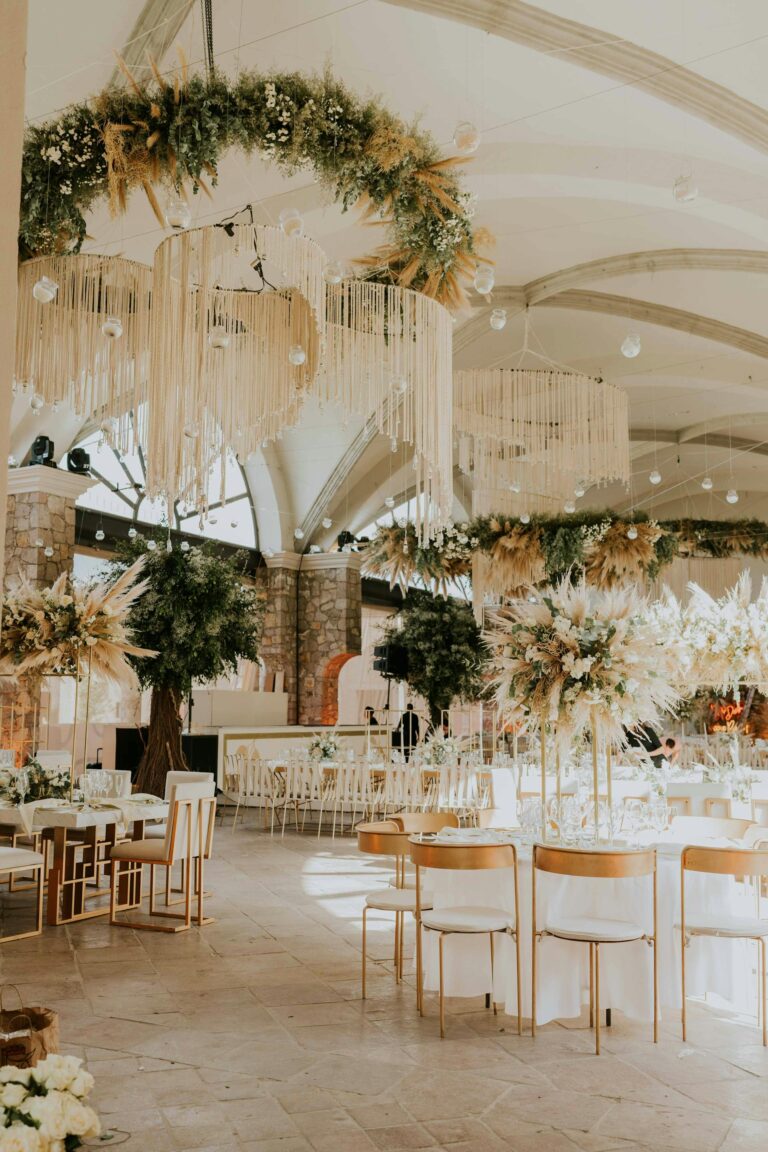
Modern Vietnamese weddings increasingly blend these traditions with contemporary touches: live bands instead of karaoke, curated floral installations, personalized welcome signs in both Vietnamese and English, and reception designs that feel editorial while remaining culturally grounded.

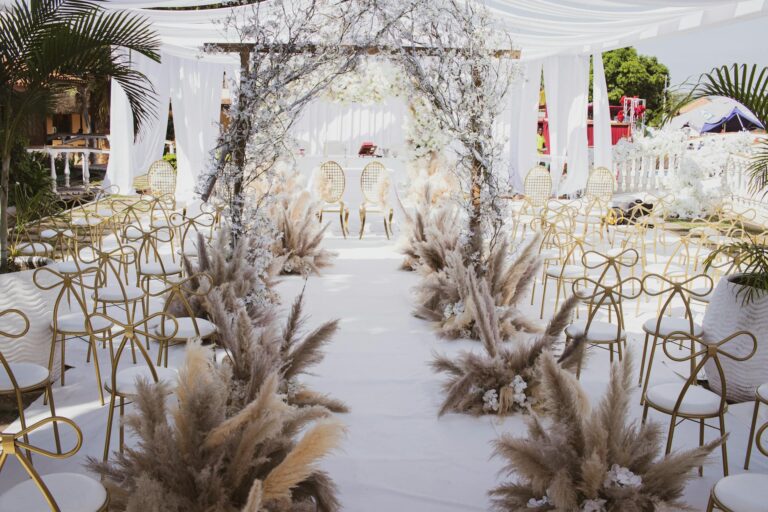
Today’s Vietnamese weddings honor the past while embracing a new aesthetic vision
EXPLORE MORE
Lễ Dạm Ngõ Complete Guide · Do You Need a Wedding Planner? · Planning Timeline
RELATED ARTICLES
Explore more Vietnamese wedding traditions
What is lễ dạm ngõ?
Lễ dạm ngõ is the first formal meeting between two families in Vietnamese wedding tradition. The groom’s family visits the bride’s home with simple gifts to introduce themselves and propose marriage.
What is mâm quả in Vietnamese weddings?
Mâm quả are ceremonial trays of gifts (typically 5, 7, or 9 trays) carried by the groom’s party to the bride’s home during lễ ăn hỏi. Contents include betel, areca nut, fruit, cake, and tea.
What happens during a Vietnamese tea ceremony?
The Vietnamese tea ceremony (lễ gia tiên) takes place at the home altar. The couple bows to ancestors, then serves tea to elders, who offer blessings and gifts in return.
Can modern couples adapt Vietnamese wedding traditions?
Yes — modern Viet Kieu couples often blend Vietnamese traditions with Western elements. Common adaptations include shortened lễ, bilingual ceremonies, and tea ceremonies during the reception.
THE WHITE PLANNER
Your Story. Our Stage.
Planning a wedding in Vietnam is a journey of culture, creativity, and celebration. The White Planner brings clarity, beauty, and calm to every step — so all you need to do is show up and say yes.