WEDDING GUIDE
Wedding Photobooth Ideas: How to Set Up a Fun & Beautiful Guest Experience
Beyond awkward props and cheesy backdrops — photobooth concepts that guests actually love and photos worth keeping.
The traditional wedding photobooth — a curtained box with silly props — has evolved dramatically. Today’s best photobooth experiences range from minimalist Polaroid stations to immersive 360-degree video platforms, and they’ve become one of the most-used elements at modern weddings. When done well, a photobooth gives guests something fun to do between courses, generates content the couple receives after the wedding, and creates tangible keepsakes that people actually take home. Here’s how to set one up that fits your style and budget.
THE OPTIONS
Five Photobooth Formats Worth Considering
1. Classic Photo Booth (5-15M VND rental): The enclosed or open-air booth with a camera, lighting, and instant prints. Modern versions produce high-quality images with customizable templates. The advantage is familiarity — guests of all ages know how to use it. The disadvantage is the queue that forms during peak hours.
2. Polaroid Station (1-3M VND): The most charming low-budget option. Set up a camera (Instax or similar), a simple backdrop, and a guest book where people paste their Polaroid alongside a handwritten note. The analog quality and the imperfection of instant film create a warmth that digital booths can’t replicate.
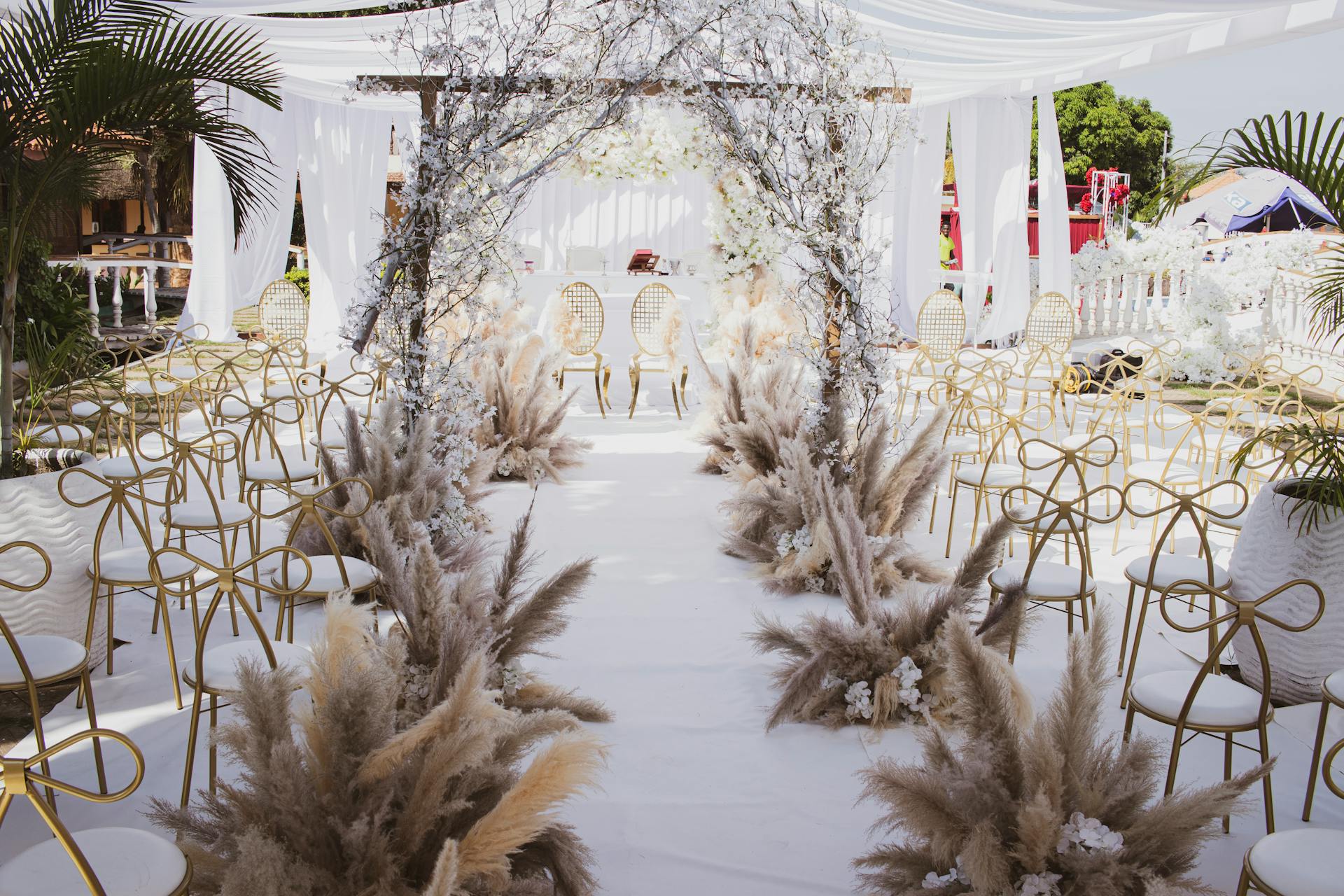
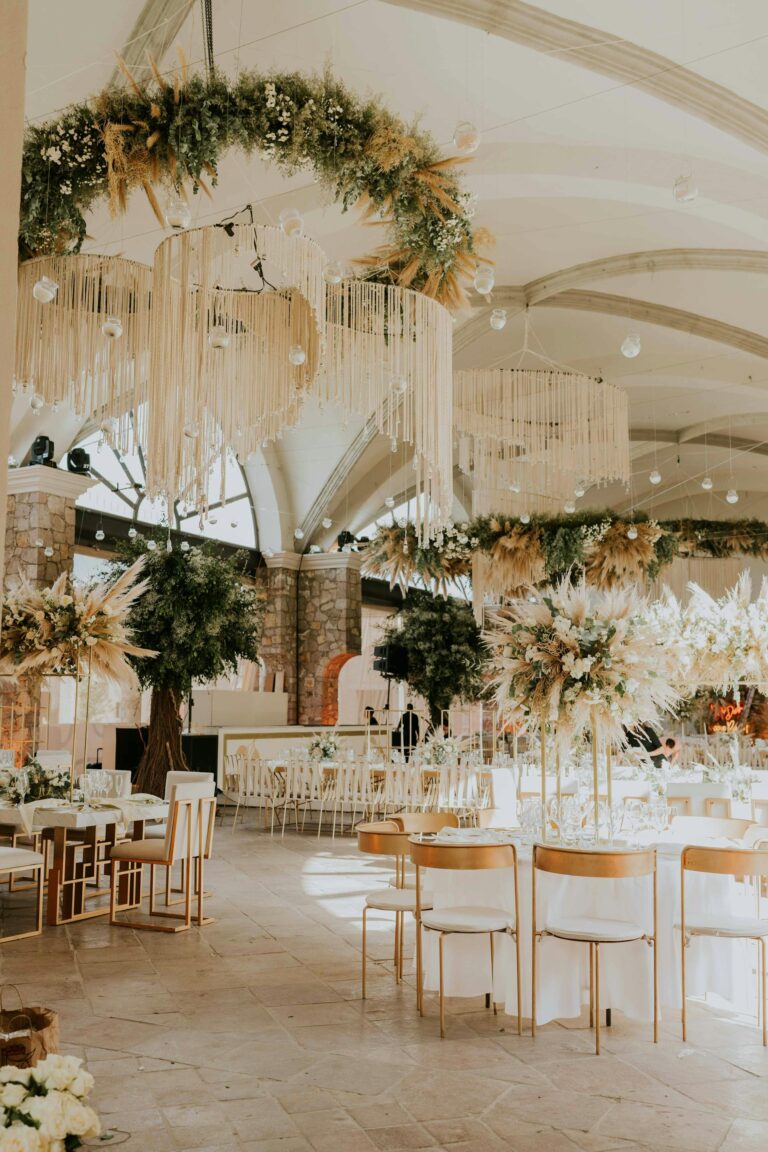
The best photobooth setups integrate with the wedding’s design language — not a separate visual universe.
3. 360-Degree Video Booth (10-25M VND): Guests stand on a platform while a camera rotates around them, creating a slow-motion video clip. High-energy, shareable on social media, and genuinely fun. Best suited for larger weddings with a party atmosphere. 4. Mirror Booth (8-18M VND): An interactive touchscreen mirror that takes photos and adds digital overlays. Guests can sign on the screen and the images are shared instantly. 5. Self-Service DSLR Station (3-8M VND): A professional camera on a tripod with a remote trigger, good lighting, and a styled backdrop. Higher quality images than booth cameras, but requires more guest initiative.
THE BACKDROP For broader inspiration, see WeddingWire ideas.
Designing a Backdrop That Matches Your Wedding
The backdrop is the most visible element of your photobooth, and it’s where most DIY attempts go wrong. The key principle: your photobooth backdrop should look like it belongs at your wedding, not like it was imported from a different event.

A backdrop that uses the same palette and materials as the rest of your décor creates visual cohesion guests feel instinctively.
Options that work: A flower wall using the same varieties as your reception florals. A draped fabric backdrop in your wedding colors with subtle lighting. A living green wall (rented or temporary). A simple, textured wall at the venue itself — exposed brick, wooden panels, or a well-lit corner with interesting architecture. A neon sign with your names or wedding date against a dark backdrop.
Options to avoid: Sequin or metallic curtains (they look cheap in photos and clash with most wedding aesthetics). Printed scenic backdrops (waterfalls, cityscapes — they look artificial). Balloon walls (they deflate, pop, and rarely photograph as well as they look in person). The general rule: if the backdrop wouldn’t fit in a lifestyle magazine, it won’t fit at your wedding.
THE PROPS
The Case Against Silly Props — and What to Use Instead
Here’s a controversial opinion supported by evidence: silly props (oversized glasses, mustaches on sticks, speech bubble signs) produce photos that nobody actually wants to keep. They’re fun for 30 seconds and cringe-worthy within a month. The photos that guests cherish from weddings are the ones where they look like themselves — just happier, better-lit, and surrounded by people they love.
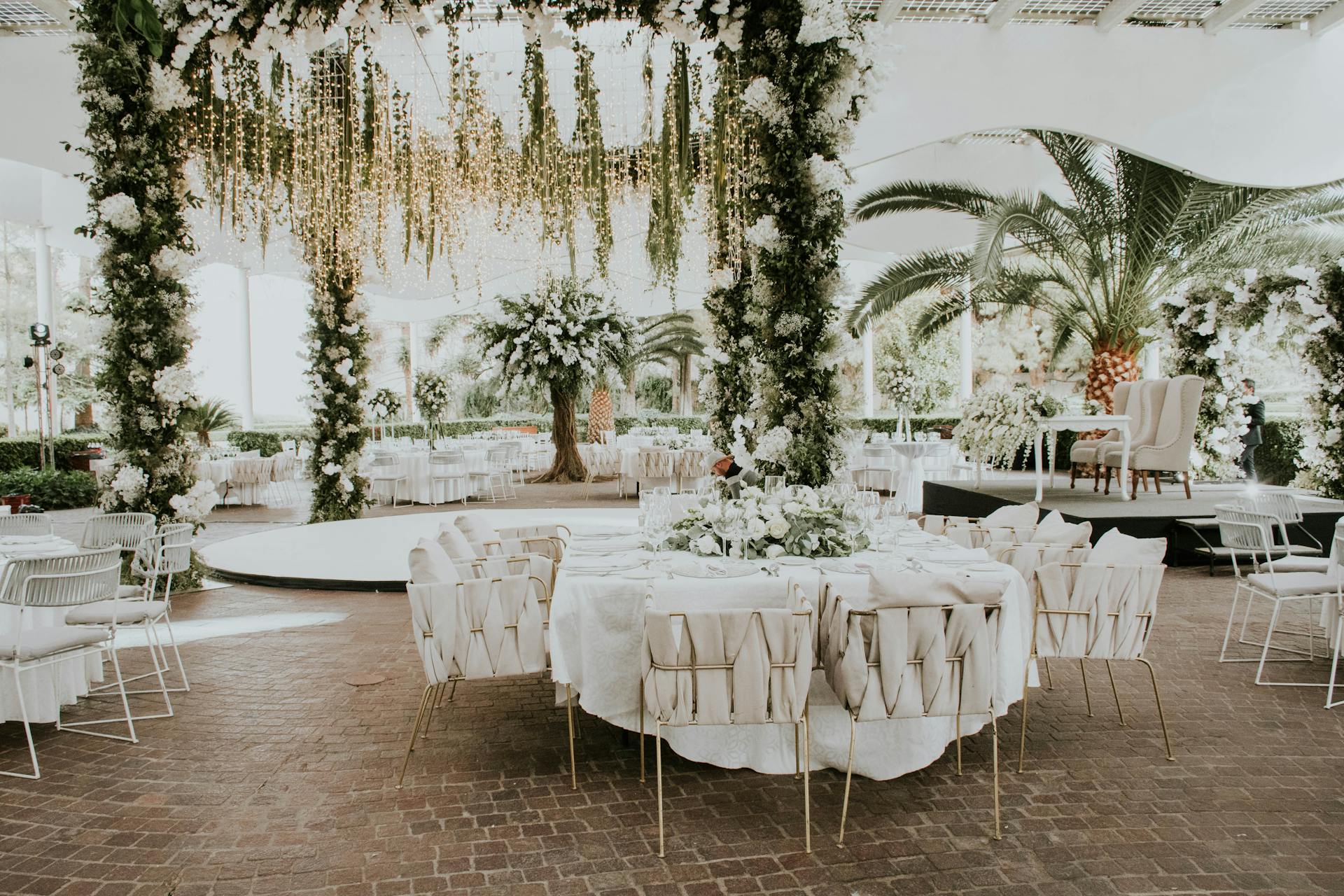
Skip the costume props — great lighting and a beautiful backdrop produce photos guests actually frame.
Instead of props, invest in lighting. Ring lights, fairy light curtains, or a professional flash setup can make phone-camera photos look magazine-worthy. Good lighting is the single biggest upgrade you can make to any photobooth setup. If you must have props: Choose elegant ones that match your wedding. Fresh flower crowns, silk ribbon streamers, vintage hand mirrors, or personalized signs in your wedding’s typography. Anything that enhances rather than distracts.
The best “prop” is actually a prompt system. Place a card near the booth with suggestions: “Show us your best dance move.” “Recreate how you met the couple.” “Give the couple your best marriage advice.” These produce genuine, expressive photos that tell stories — far more valuable than a photo of Aunt Mai wearing plastic sunglasses.
THE LOGISTICS
Placement, Timing, and Staffing: Getting the Details Right
Placement matters enormously. The photobooth should be visible and accessible but not in the main traffic flow. Near the bar or lounge area is ideal — guests naturally gravitate there between courses. Avoid placing it near the dance floor (too noisy and chaotic) or too far from the main reception (nobody will make the trek). Ensure there’s enough space for a small queue without blocking other areas.
Position your photobooth near social zones — the bar, the lounge — where guests naturally gather and have energy for photos.
Timing: Open the booth during cocktail hour and keep it running through the reception. The peak usage is typically during dinner breaks between courses and after the dance floor opens. Having it available early gives guests something to do during the transition from ceremony to reception — a moment that often has awkward dead time.
Staffing: An attendant makes a significant difference. They encourage shy guests, manage the queue, handle technical issues, and ensure the prints or files are organized. For a DIY setup, ask a friend to manage the station for the evening. For a rental booth, most vendors include an attendant in their package — confirm this when booking.
THE KEEPSAKE
Making Photobooth Photos Last Beyond the Wedding Night
The whole point of a photobooth is creating keepsakes — but too many couples set up elaborate booths only to have the digital files disappear into a forgotten USB drive. Here’s how to make the investment last:

When photobooth prints become part of the guest book, you get both a keepsake and a record of who attended — and what they wished for you.
Dual-print system: Every photo prints twice — one for the guest to take home, one for the couple’s guest book. Guests paste their copy into a book and write a message alongside it. This creates the most meaningful wedding guest book format we’ve seen. Digital sharing: Set up instant sharing via QR code or AirDrop so guests can post their photos in real-time. This also solves the “I need content for social media” problem many couples have. Post-wedding gallery: Include photobooth images in your post-wedding thank-you package — either in a dedicated gallery or mixed into the professional photos.
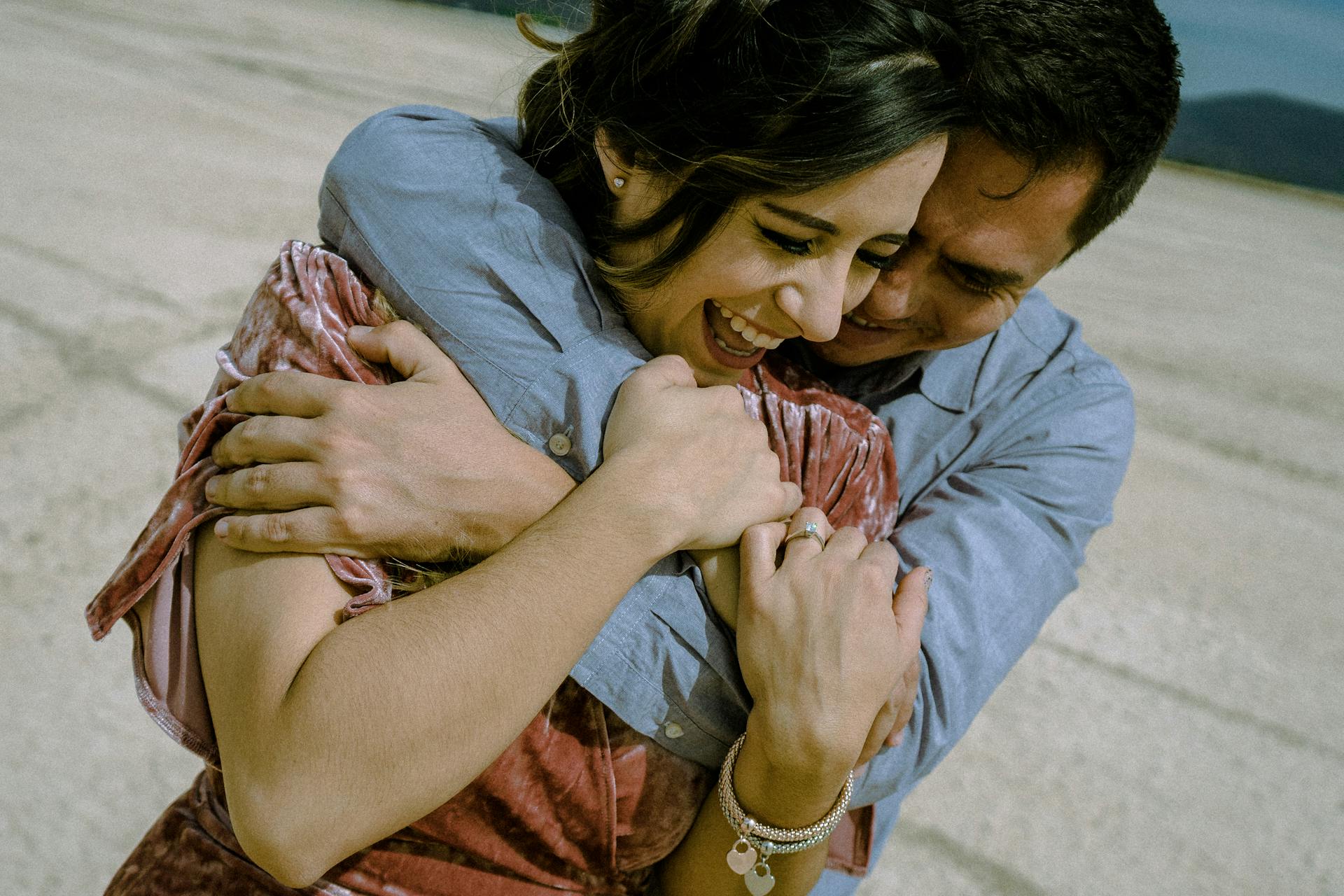
One final thought: the best photobooth experience is one that creates genuine joy, not manufactured content. If your guests are laughing, hugging each other, and asking to take “one more,” the setup is working — regardless of how much it cost or how Instagram-worthy the backdrop is.
EXPLORE MORE
Wedding Music Guide · Choosing a Wedding MC · DIY Wedding Tips
RELATED ARTICLES
More ideas for your guest experience
THE WHITE PLANNER
Your Story. Our Stage.
Planning a wedding in Vietnam is a journey of culture, creativity, and celebration. The White Planner brings clarity, beauty, and calm to every step — so all you need to do is show up and say yes.