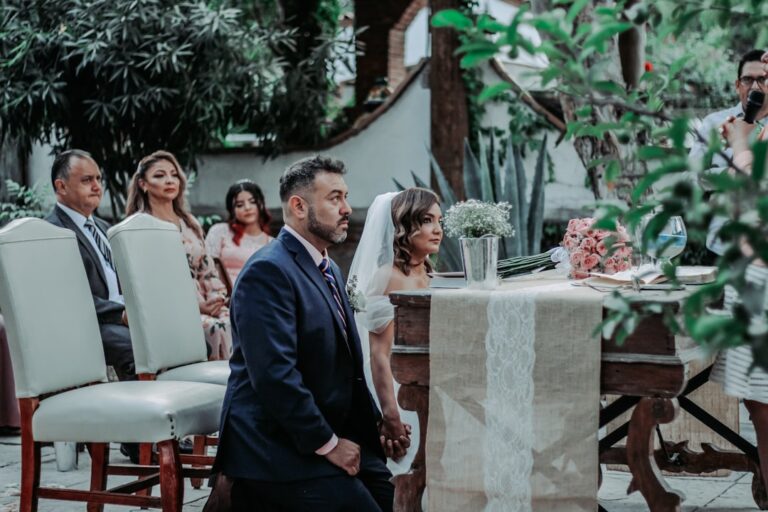
CEREMONY & RITUALS
Designing a Vows Ceremony That Truly Moves
A planner’s guide to crafting ceremony moments that feel real, look beautiful, and stay with your guests forever.
The ceremony is the heart of your wedding — the 20 to 30 minutes that everything else is built around. Yet it is the part most couples spend the least time designing. A truly moving ceremony does not happen by accident. It takes intention, structure, and the courage to make it personal. This guide walks you through every element of ceremony design, from choosing the right format to writing vows that actually mean something.
CEREMONY FORMAT
Choosing the Right Ceremony Structure
Before you think about vows or readings, decide what kind of ceremony feels right for you as a couple. In Vietnam, many weddings blend elements from different traditions — and that is perfectly fine, as long as it feels intentional rather than random.
Traditional Vietnamese ceremony (Lễ Gia Tiên). A family-centered ritual performed at the bride’s home, followed by a similar ceremony at the groom’s. This is deeply meaningful for both families and sets the cultural tone for the day. Even couples who want a Western-style celebration often begin with Lễ Gia Tiên in the morning.
Western-style vows ceremony. Held at the reception venue — often as guests arrive or before dinner — with an officiant, personal vows, ring exchange, and a formal kiss. This format gives the couple a public, emotional moment that a traditional ceremony alone does not include.
Fusion ceremony. A growing trend, especially among Viet Kieu couples: combining Lễ Gia Tiên in the morning with a personalized vows ceremony at the venue in the afternoon. The key is designing both parts so they complement rather than repeat each other.
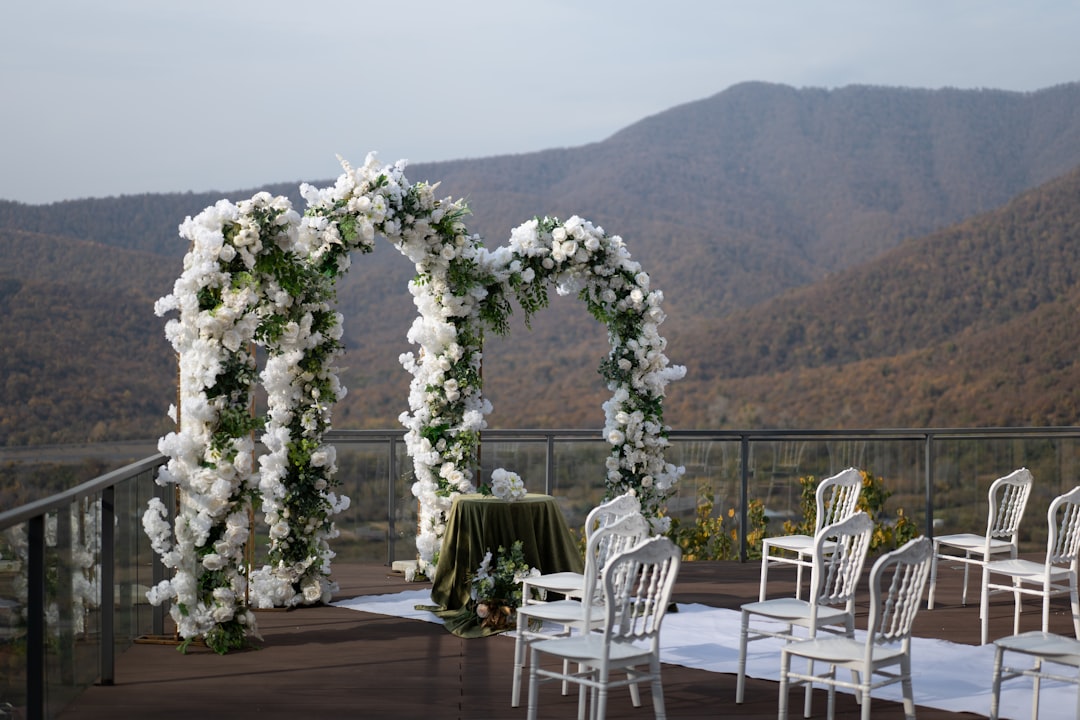
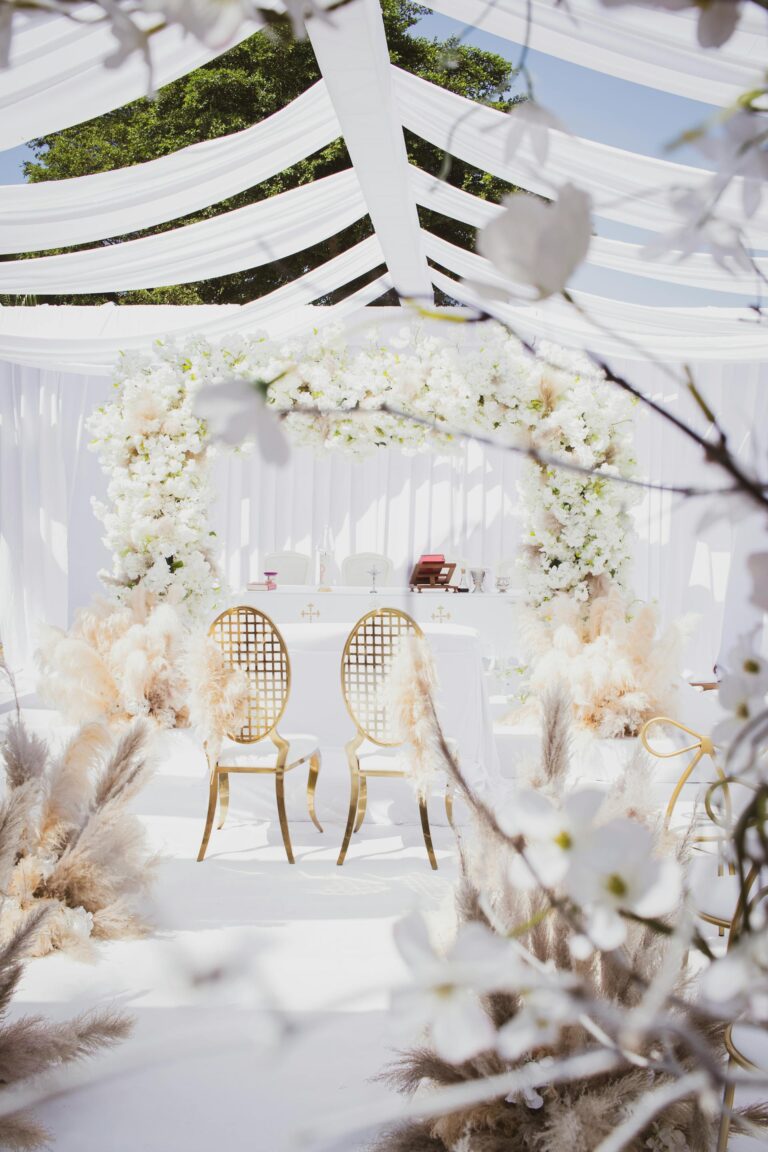
The ceremony backdrop sets the emotional stage — design it with as much care as the words
PERSONAL VOWS For more inspiration on writing meaningful vows, see The Knot’s wedding vows guide.
Writing Vows That Actually Mean Something
Personal vows are the single most powerful element of any ceremony. They are also the part that terrifies most couples. The good news: you do not need to be a writer. You just need to be honest.
Start with stories, not declarations. Instead of “I promise to love you forever” (which everyone says), tell a specific story: the moment you knew, the thing they do that no one else notices, the way they changed how you see the world. Specificity is what makes vows move people.
Keep it under two minutes. When emotions run high, shorter is better. Aim for 250–400 words — enough to say something meaningful, short enough to say it clearly without losing composure. Practice reading aloud at least five times before the day.
Structure suggestion: Open with a moment or memory (30 seconds). Share what you love and admire about them (45 seconds). Make your promises — specific, realistic, meaningful (45 seconds). Close with something light or forward-looking to release the tension.
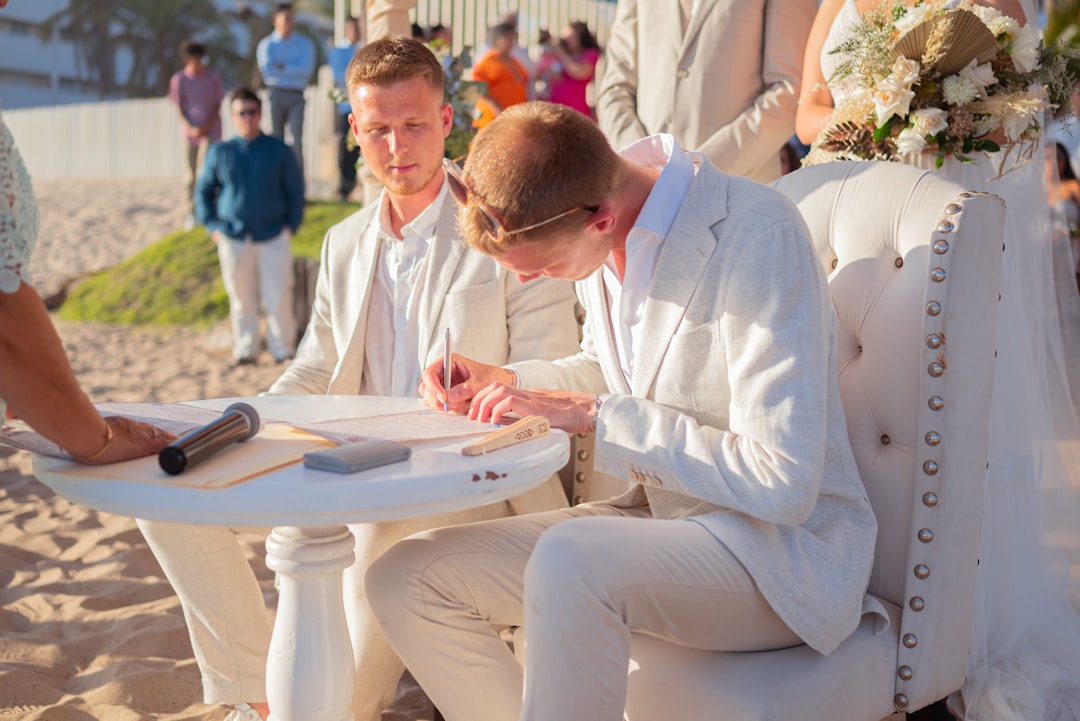
The best vows are not performed — they are felt
EMOTIONAL FLOW
Designing the Emotional Arc of Your Ceremony
A ceremony is a performance — not in the fake sense, but in the sense that it needs rhythm, pacing, and an emotional arc that builds and releases. The best ceremonies move like a great film: they build tension, reach a peak, and resolve beautifully.
Opening (2–3 minutes). Welcome and settle the room. A short reading, a piece of music, or a few words from the officiant that set the tone. The goal is to shift everyone from cocktail-hour mode to ceremony mode.
Rising action (5–8 minutes). This is where the emotion builds. Readings from family or friends, a song, or the officiant sharing the couple’s story. Each element should deepen the emotional connection in the room.
Climax: the vows (4–6 minutes). Personal vows are the peak. Everything before this moment should build toward it, and everything after should release from it. If both partners are reading vows, consider having a brief musical interlude between them.
Resolution (2–3 minutes). Ring exchange, the declaration, the kiss. Then a burst of energy — music, applause, the recessional. End on a high note that carries into the celebration.
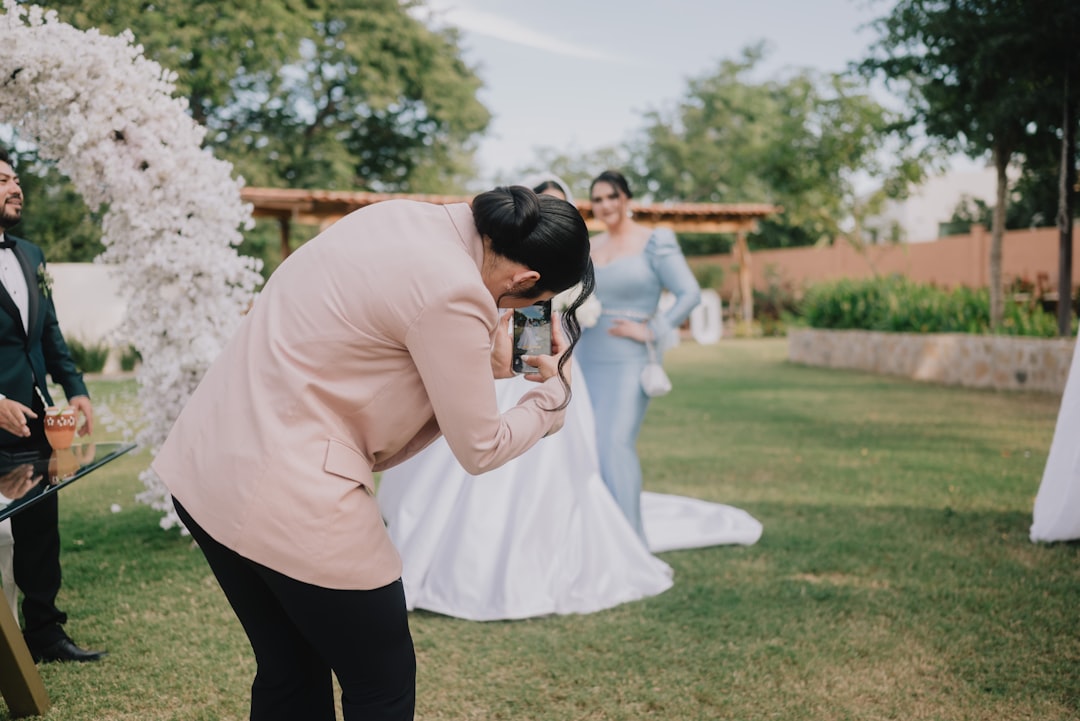
When the room cries together, you know the ceremony landed
THE OFFICIANT
Choosing Someone Who Sets the Right Tone
Your officiant shapes the entire ceremony experience. In Vietnam, where civil ceremonies are handled separately at the local government office, your wedding officiant is a ceremonial role — which means you have complete creative freedom in who you choose.
Professional celebrant. Trained officiants know how to read a room, pace a ceremony, and guide emotional moments without making them awkward. For bilingual ceremonies (common in Viet Kieu weddings), a professional who works in both Vietnamese and English is worth the investment.
A close friend or family member. This adds a deeply personal layer — someone who knows your story and can speak to it authentically. The risk is nerves and inexperience. If you go this route, give them a detailed script, schedule at least two rehearsals, and have your planner brief them on logistics and timing.
Coaching tip: Whoever officiates should speak slowly, pause deliberately, and resist the urge to fill silence with words. The pauses are where the emotion lives. A good planner will coach your officiant on these details beforehand.
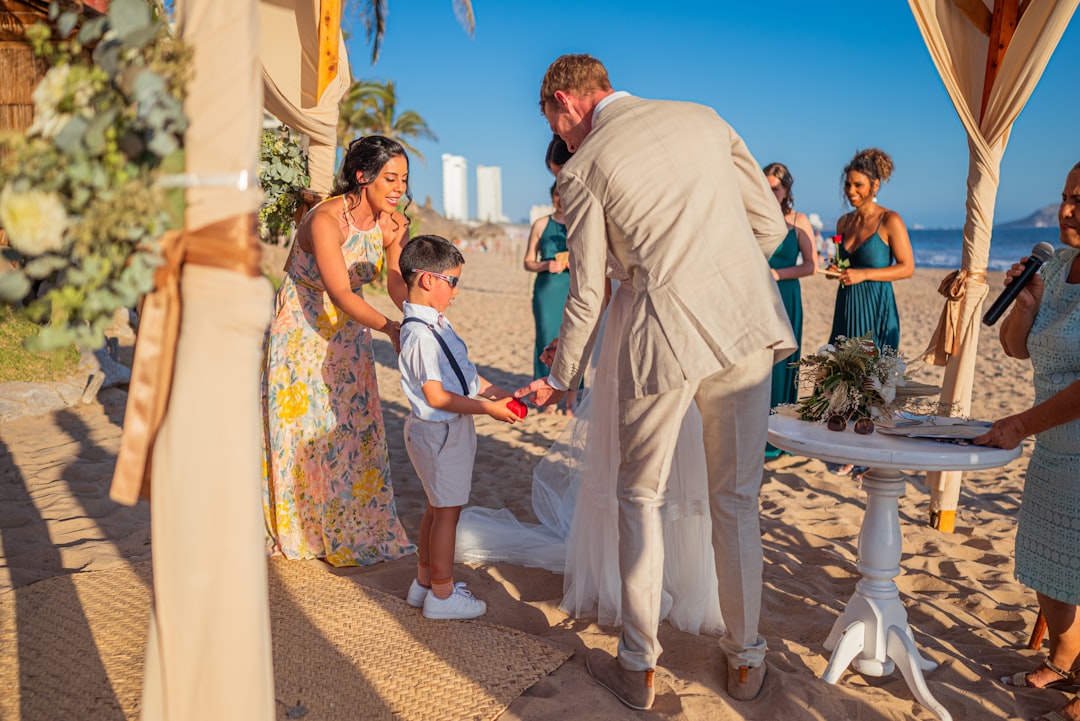
The right officiant holds the emotional space — they guide without performing
PRACTICAL DETAILS
The Logistics That Make Magic Possible
Behind every “effortless” ceremony is a team that has rehearsed the logistics until they are invisible. Here are the practical elements that make the emotional ones work.
Sound. If your ceremony is outdoors or in a large venue, you need a microphone system — no exceptions. Nothing kills a ceremony faster than guests straining to hear. Lapel mics for the couple, a handheld for the officiant, and a sound check 30 minutes before.
Sight lines. Every guest should be able to see the couple’s faces. Curved or angled seating works better than straight rows. If the venue has pillars or obstructions, your planner should walk the space and adjust the layout.
Timing. Schedule the ceremony for when the light is best — golden hour for outdoor ceremonies, or when the venue’s lighting design peaks for indoor ones. Your photographer and videographer should be consulted on timing, as the visual quality of your ceremony footage depends heavily on light.
Rehearsal. Always do a full rehearsal — walk-throughs with the wedding party, sound check, and a dry run of the vow exchange. Even 30 minutes of practice transforms the energy on the day from nervous to confident.
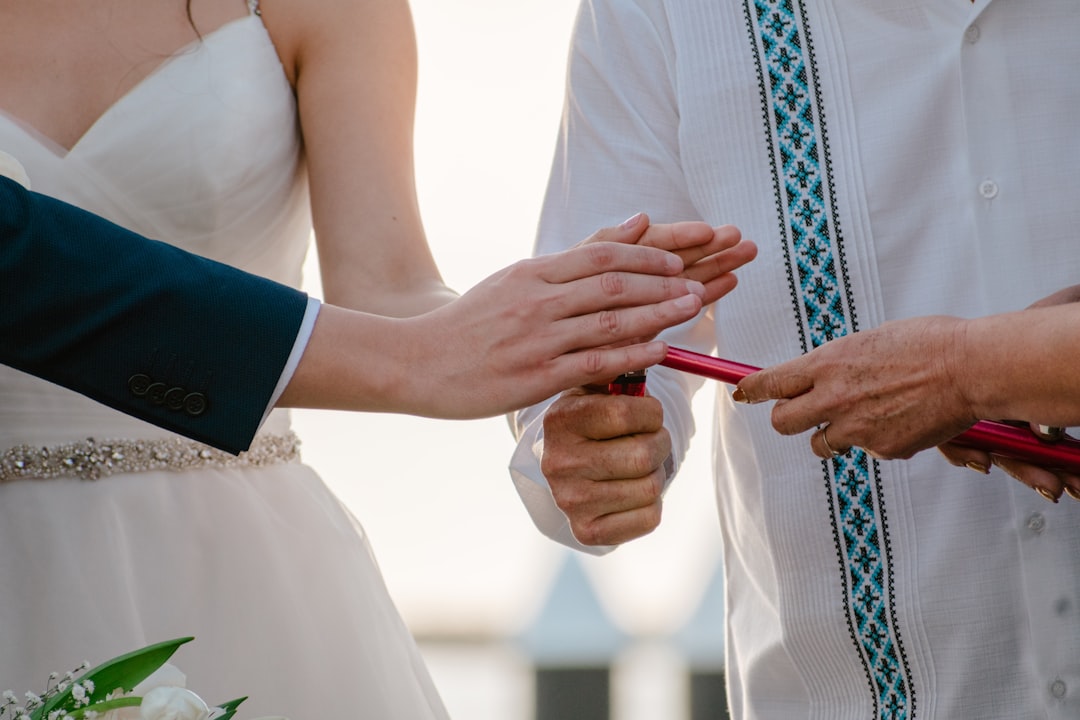
The smallest rituals carry the deepest meaning — when they are done well
EXPLORE MORE
Intimate Wedding Planning · Wedding Day Timeline · Our Planning Services
RELATED ARTICLES
More inspiration for your ceremony
When should I start writing my wedding vows?
Start writing wedding vows 4-6 weeks before the ceremony. This gives time for first drafts, revisions, and reading aloud to test the flow without rushing the emotional process.
How long should wedding vows be?
Wedding vows should be 1 to 2 minutes when read aloud, or roughly 100-200 words. Long enough to feel meaningful, short enough to keep guests engaged emotionally.
What is the best structure for vows?
A classic vows structure follows: an opening declaration, a memory or story about your partner, specific promises, and a closing pledge. This arc creates emotional resonance.
Can I write my own vows for a traditional Vietnamese ceremony?
Yes — personal vows complement traditional Vietnamese ceremonies beautifully. Read them during the reception or after the formal lễ to honor both tradition and personal expression.
THE WHITE PLANNER
Your Story. Our Stage.
Planning a wedding in Vietnam is a journey of culture, creativity, and celebration. The White Planner brings clarity, beauty, and calm to every step — so all you need to do is show up and say yes.
![[Real Wedding] How a Saigon Couple Self-Planned Their Wedding and Saved 30%](https://thewhiteplanner.vn/wp-content/uploads/2026/05/twp-2743-hero-px-768x512.jpg "[Real Wedding] How a Saigon Couple Self-Planned Their Wedding and Saved 30% 7")
![[Real Wedding] A Romantic Pink Pastel Celebration at a Saigon Restaurant](https://thewhiteplanner.vn/wp-content/uploads/2026/05/twp-2735-hero-px-768x512.jpg "[Real Wedding] A Romantic Pink Pastel Celebration at a Saigon Restaurant 8")
![[Real Wedding] A Minimalist Black & White Celebration in Ho Chi Minh City](https://thewhiteplanner.vn/wp-content/uploads/2026/05/twp-2733-hero-px-768x512.jpg "[Real Wedding] A Minimalist Black & White Celebration in Ho Chi Minh City 9")
![[Real Wedding] An Intimate Garden Celebration for 60 Guests at a Saigon Villa](https://thewhiteplanner.vn/wp-content/uploads/2026/05/twp-2734-hero-px-768x512.jpg "[Real Wedding] An Intimate Garden Celebration for 60 Guests at a Saigon Villa 10")