PLANNING GUIDE
How Wedding Planners Select, Coordinate, and Get the Best From Every Vendor
The behind-the-scenes process that turns a list of independent contractors into one seamless wedding experience.
A wedding vendor team typically includes eight to twelve independent businesses — florists, photographers, caterers, musicians, lighting designers, makeup artists — each with their own schedules, standards, and communication styles. The difference between a wedding that flows effortlessly and one that feels disjointed almost always comes down to how these vendors are selected, briefed, and coordinated. Here’s how professional planners approach vendor management from first inquiry to final invoice.
VENDOR SELECTION
Finding the Right Partners, Not Just the Right Price
Professional vendor selection goes far beyond comparing quotes. A planner evaluates vendors across five dimensions: portfolio quality at the same scale as your event, communication responsiveness, flexibility under pressure, compatibility with other vendors on the team, and alignment with the couple’s aesthetic sensibility.
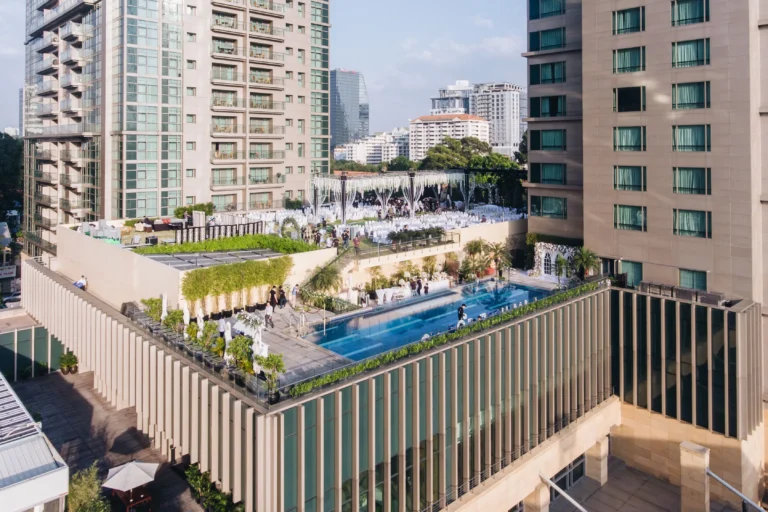
We maintain relationships with over 50 trusted vendors across Southern Vietnam — relationships built through years of working together on actual wedding days, not through directory listings. When we recommend a florist, it’s because we’ve seen how they handle a 4AM setup call, how they respond when a centerpiece arrangement needs last-minute adjustment, and how their work photographs under different lighting conditions.
For couples planning from abroad, this curated network is particularly valuable. You’re not scrolling through unfamiliar names on a Vietnamese website and hoping for the best — you’re accessing a vetted ecosystem where every vendor has been tested under real wedding conditions.

Every vendor recommendation comes from years of real wedding-day collaboration, not online reviews
BRIEFING & COORDINATION For broader inspiration, see WeddingWire ideas.
Speaking One Language Across Twelve Teams
The most common source of wedding-day friction isn’t a bad vendor — it’s a vendor who received incomplete or contradictory information. A professional planner creates a unified creative brief that every vendor works from, ensuring the florist’s color temperature matches the lighting designer’s wash, and the photographer knows exactly which moments the couple prioritizes.
This coordination document typically includes a detailed timeline with vendor-specific call times, a floor plan with setup zones and power access points, a mood board that translates the couple’s vision into actionable creative direction, and a contact hierarchy that clarifies who approves changes on the day itself.
We hold a pre-wedding alignment meeting with all key vendors 2–3 weeks before the event. This isn’t a formality — it’s where potential conflicts surface early. The band discovers they need more power than the venue provides. The caterer realizes the cocktail area is farther from the kitchen than expected. These are solvable problems at two weeks out; they’re emergencies at two hours out.

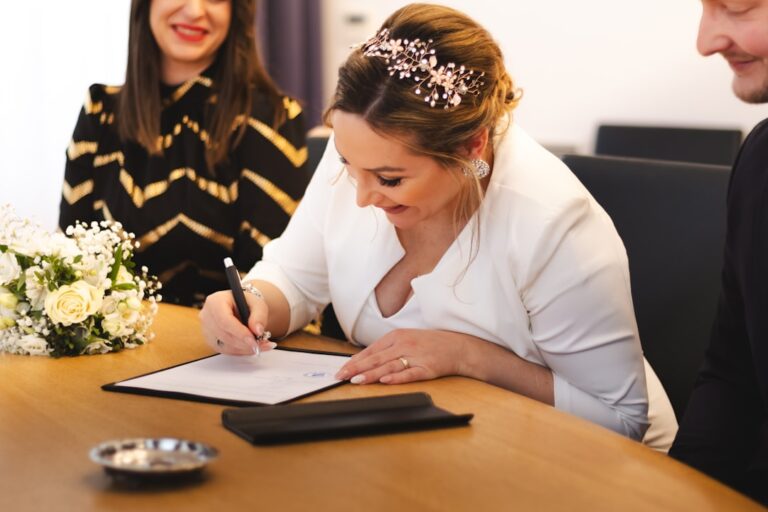
A unified creative brief ensures every vendor is working toward the same vision
DAY-OF MANAGEMENT
When Planning Meets Reality
No matter how thorough the planning, every wedding day includes moments that require real-time adjustment. The caterer’s delivery truck hits unexpected traffic. The ceremony musician arrives to find the outdoor power outlet doesn’t work. A bridesmaid’s dress zipper breaks forty minutes before the processional.
A planner’s day-of role is essentially air traffic control — managing multiple simultaneous workflows while keeping the couple completely unaware of the logistics happening around them. Our team maintains a running communication channel with every vendor lead, handling questions and redirecting resources without ever involving the bride or groom.
The most underappreciated aspect of day-of coordination is transition management. Moving 200 guests smoothly from ceremony to cocktails to dinner requires precise timing cues, clear signage, and staff positioned at decision points. When transitions feel natural and unhurried, it’s because someone orchestrated every movement.

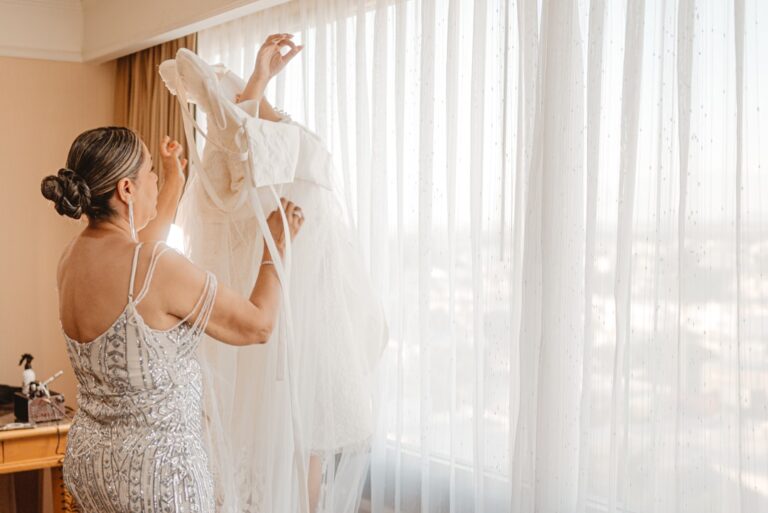
Day-of coordination means solving problems before the couple ever knows they existed
MAXIMIZING VALUE
How to Get the Best From Every Vendor Partnership
The final dimension of vendor management is one couples rarely consider: how to create conditions where vendors do their best work, not just adequate work. A photographer who feels respected, well-fed, and given a clear shot list will deliver images that surpass their portfolio. A florist given creative latitude within a clear framework will produce arrangements that surprise and delight.
This means providing meals for vendor teams (not just the couple’s guests), building adequate setup time into the schedule rather than rushing vendors through their process, and treating every vendor as a creative collaborator rather than a service provider following orders.
After 15 years of production experience, we’ve learned that the weddings with the most beautiful results aren’t necessarily the ones with the biggest budgets — they’re the ones where every vendor felt empowered to bring their full expertise to the table. Professional planning creates that environment by design, not by accident.
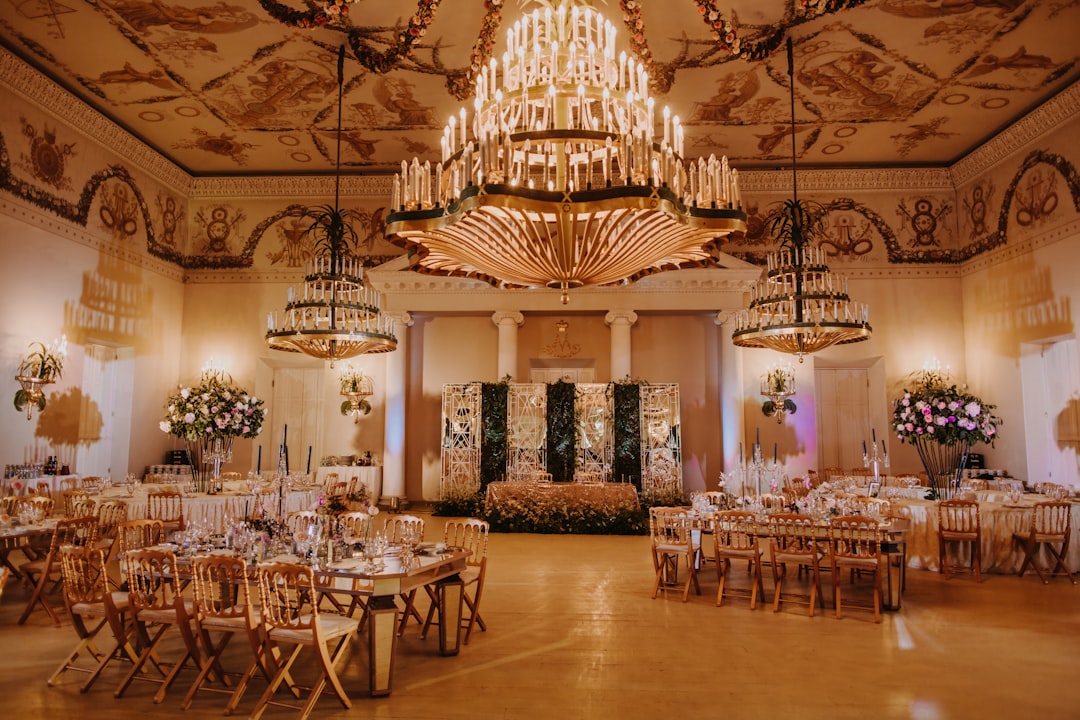
The best vendor results come from collaborative partnerships, not transactional relationships
THE WHITE PLANNER
Your Story. Our Stage.
Planning a wedding in Vietnam is a journey of culture, creativity, and celebration. The White Planner brings clarity, beauty, and calm to every step — so all you need to do is show up and say yes.